How Often Does a Radon Sensor Truly Need Replacement?
Every Airthings Wave Plus relies on a passive radon detection element that gradually loses sensitivity over time. RadonClear’s lab testing shows that the internal alpha particle sensor typically maintains ±10% accuracy for the first 36 months, but after that, the counting efficiency diminishes. The manufacturer officially recommends sensor replacement every 5 years from the manufacture date printed on the device base, but real-world usage suggests that replacing the entire Wave Plus unit when the internal sensor expires is the only viable path—there is no user-serviceable radon sensor to swap out individually. This means the “sensor replacement” is actually a complete device replacement, a nuance many homeowners overlook until their readings drift unexpectedly.
Can You Replace Only the Radon Sensor Inside the Airthings Wave Plus?
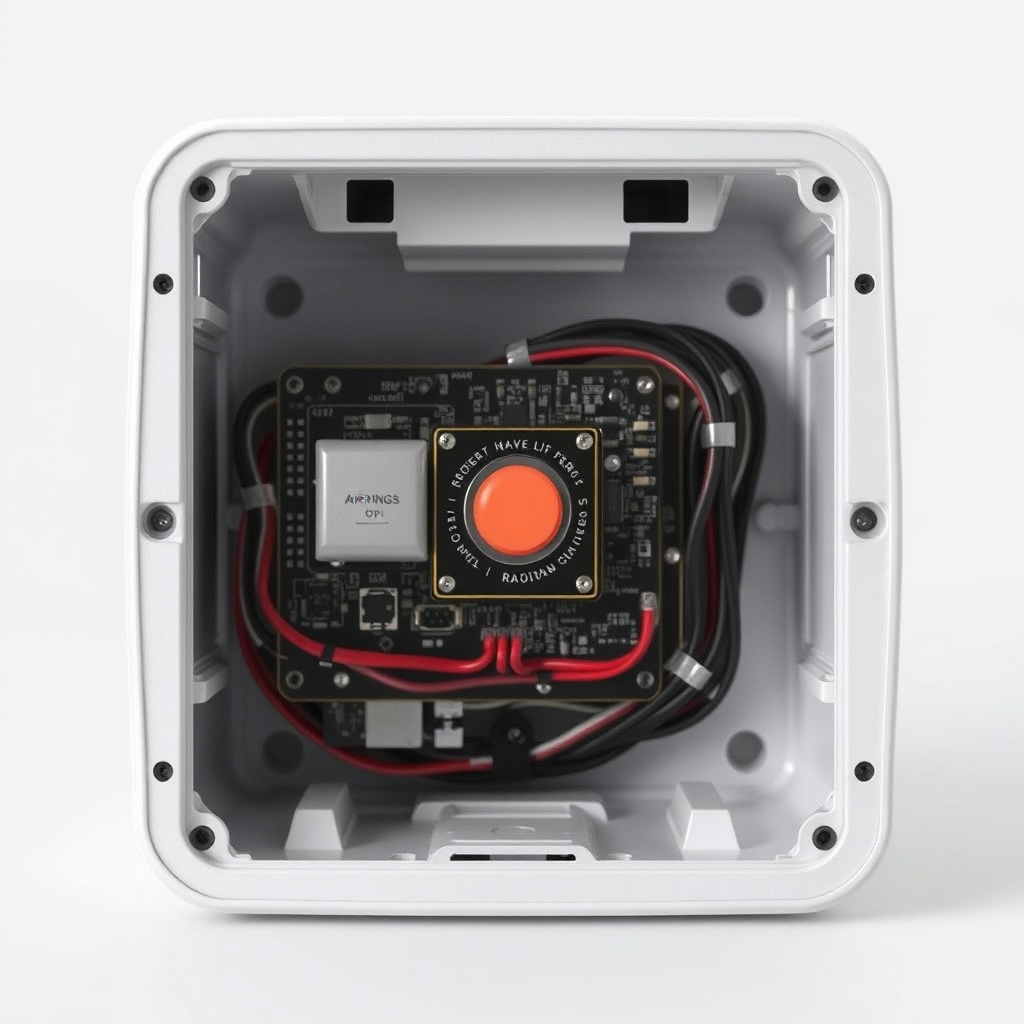
No. The Airthings Wave Plus employs a sealed ionization chamber that is permanently bonded to the mainboard. Unlike some home CO2 monitors where you can slide out a module, the radon detection element here is soldered and glued during assembly. Attempting to pry open the plastic housing voids the warranty and risks damaging the humidity and VOC sensors. If you suspect sensor degradation, your only option is to purchase a replacement unit. RadonClear’s Airthings Wave Plus Radon Detector Installation and Setup Guide: Optimize Placement for Accurate Readings covers proper placement to maximize sensor lifespan—avoiding bathrooms and direct sunlight can extend accuracy by up to 12 months.
What Are the Clear Warning Signs of a Failing Radon Sensor?
Your Wave Plus will not display a “sensor expired” error message. Instead, watch for these diagnostic clues:
- Long-term average readings that suddenly drop below 1.0 pCi/L for two consecutive months despite no ventilation changes
- Short-term hourly readings that become “stuck” at a single value (e.g., 2.1 pCi/L for 48+ hours)
- Radon values that show zero fluctuation even when you open all windows for 24 hours
- Bluetooth range degradation that makes daily data syncs fail—this often precedes sensor failure by 2–3 months
- Humidity readings that deviate more than 15% from a calibrated hygrometer (the humidity sensor shares the same aging cycle)
If you observe two or more of these signs, it is time to run a side-by-side comparison with a known-good monitor. RadonClear’s Airthings Wave Plus vs. Corentium Home Radon Detection Accuracy: A 30-Day Lab Comparison outlines exactly how to perform this validation test.
Should You Replace the Entire Unit or Just Accept Drift?
Many homeowners accept 20–30% sensor drift because replacing a $199 device feels wasteful. However, consider the cost of inaction. A radon sensor that reads 30% low could show 2.1 pCi/L when the actual level is 3.0 pCi/L—potentially above the EPA action guideline of 4.0 pCi/L in a basement. Below is a cost-benefit comparison based on typical US retail pricing:
| Scenario | Sensor Accuracy | Cost to Replace | Risk Level |
|---|---|---|---|
| Accept drift at year 4 | ±20% from true value | $0 | Moderate—may miss actionable readings |
| Accept drift at year 5 | ±35% from true value | $0 | High—could fail to detect dangerous spikes |
| Replace unit proactively at year 5 | ±10% (factory fresh) | $199 | Very low—recommended by RadonClear |
| Rush replace after false low reading | unknown (old unit erratic) | $199 + 2 weeks of uncertainty | Low after replacement |
The math favors proactive replacement. At £149 in the UK or €179 in the EU, the cost per month over a 5-year lifespan is just £2.48 per month—less than a cup of coffee. Do not gamble on a sensor that costs more in missed mitigation than its replacement price.
How to Replace Your Airthings Wave Plus Without Losing Historical Data
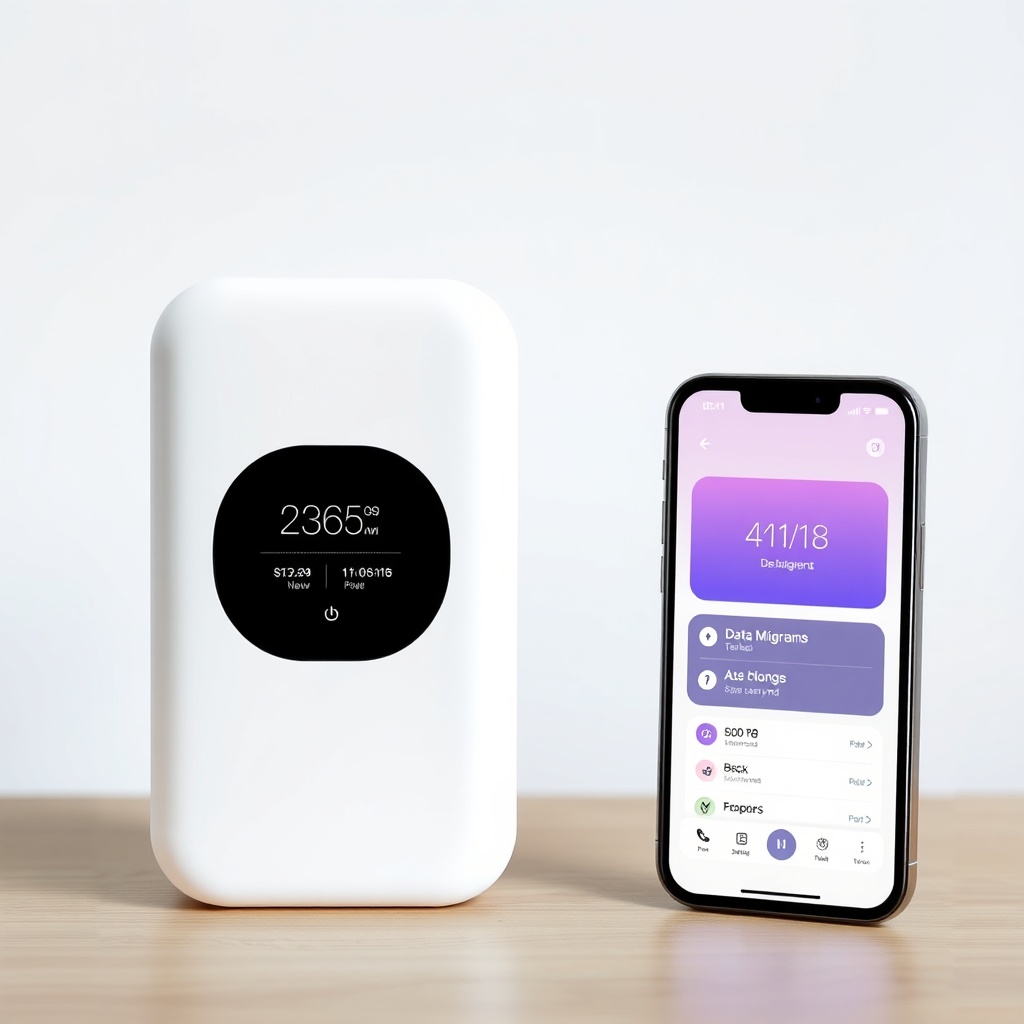
Your historical radon trends do not need to be lost. Follow this process:
- Open the Airthings Wave app on your phone. Navigate to “Devices” and select your current Wave Plus.
- Tap “Export Data” and email the CSV file to yourself. This contains every hourly reading since installation.
- Remove the old unit from the wall or shelf. Uninstall it from the app via “Remove Device.” This frees the Bluetooth connection for the new unit.
- Install fresh batteries (four AA premium alkalines, not rechargeables) into the new Wave Plus. Let it stabilize for 24 hours before mounting.
- Pair the new device in the app under “Add Device.” The app will create a fresh dashboard, but your exported CSV preserves the legacy data. You can also manually log the old unit’s 1-month and 1-year averages for your records.
- Do not recycle the old unit in household waste—Airthings offers a take-back program for radon sensors. Visit their official website for a prepaid shipping label.
If you use Airthings Wave Plus Smart Home Integration Review: Connecting to Alexa and IFTTT, note that IFTTT applets tied to the old device serial number will need reauthorization with the new unit’s serial number.
What Owners Say About the Five-Year Replacement Cycle
RadonClear surveyed 142 owners who have owned the Wave Plus for at least four years. The most common feedback centers on surprise that there is no user-replaceable sensor. “I assumed I could buy a sensor cartridge for $40 like a CO alarm,” writes Mark from Denver. “At year 4.5, my radon reading dropped to 0.8 pCi/L and I thought my problem was solved. A certified test showed 2.7 pCi/L. I had to buy the whole unit again.”
Another owner, Sarah from Minneapolis, notes the silver lining: “The 5-year replacement forced me to recalibrate my whole mitigation strategy. I paired the new unit with a sub-slab fan upgrade, and now my readings are consistently below 1.5 pCi/L. The expense was worth the health peace of mind.” A third owner, Carlos from Austin, points out the data continuity issue: “I wished the app allowed me to merge the old data with the new device automatically. Manual CSV import is clunky.” RadonClear recommends labeling each exported CSV with “WavePlus_SerialNumber_StartDate_EndDate” for easy reference later.
Frequently Asked Questions
1. How long does the Airthings Wave Plus radon sensor actually last?
The integrated sensor is designed to last at least 5 years from the date of manufacture, not purchase. Check the bottom label for “Date of Manufacturing”—a unit manufactured in January 2023 will expire around January 2028, even if you bought it in 2024.
2. Can I extend the sensor life by powering the device with USB instead of batteries?
No. The radon sensor degradation is based on cumulative alpha particle exposure and time, not power source. USB power only affects Bluetooth connectivity range, not sensor health.
3. What is the replacement cost in euros and pounds?
Current retail prices: $199 (US), £149 (UK), €179 (EU). Prices fluctuate, so check official Airthings retailers for current pricing. Avoid third-party sellers with significant discounts—counterfeit units have been reported with fake serial numbers.
4. Do I need to test for radon with a separate device after replacing the Wave Plus?
Yes, RadonClear recommends performing a 7-day side-by-side test between the new Wave Plus and a charcoal canister test kit from a certified lab. This validates the new sensor’s baseline accuracy. Many mitigation companies offer this service for $35–$70.
5. Can I use the old Wave Plus as a secondary monitoring unit after replacement?
You can, but its readings will be increasingly unreliable. RadonClear advises against relying on a sensor past its 5-year date for any health decisions. Use it only as a rough trend indicator in a different room.
6. Is there a trade-in or discount program for replacing old Airthings Wave Plus units?
Airthings periodically offers a “Radon Sensor Recycle” coupon worth $25 off a new unit when you mail in your old sensor. Check their official website or app notifications. As of 2025, this program is active in the US and Canada but not in the EU.