Introduction
The Airthings Wave Plus is a comprehensive indoor air quality monitor, notable for its ability to detect radon, temperature, humidity, pressure, and volatile organic compounds (VOCs). However, its precision, particularly for radon readings, hinges on proper sensor calibration over time. Many owners assume the device is maintenance-free, but understanding its calibration schedule is critical for accurate, actionable data. This guide explores how often the Wave Plus requires calibration, why it matters for radon detection, and practical steps to ensure your device stays reliable.
How Often Should the Airthings Wave Plus Sensors Be Calibrated?
According to Airthings’ official specifications, the Wave Plus operates with factory-calibrated sensors that are designed to remain accurate for at least 12 to 24 months before requiring recalibration. The radon sensor, an alpha-spectrometry chamber, is particularly stable and typically holds calibration for up to two years under normal indoor conditions. However, the internal sensors for temperature, humidity, and pressure are less prone to drift but can be affected by extreme environmental changes.
For most residential users, the manufacturer recommends performing a backup calibration check every 18 months, though this is not a mandatory hard reset. Official guidance suggests that unless the device has been exposed to physical shock, prolonged high humidity (above 85% RH), or extreme temperature swings (below 0°C or above 40°C), recalibration may not be necessary for two years. To be safe, schedule a recalibration service or replace the unit after 24 months to maintain radon reading accuracy, especially if you rely on the data for winter performance monitoring, where cold temperatures can skew initial data.
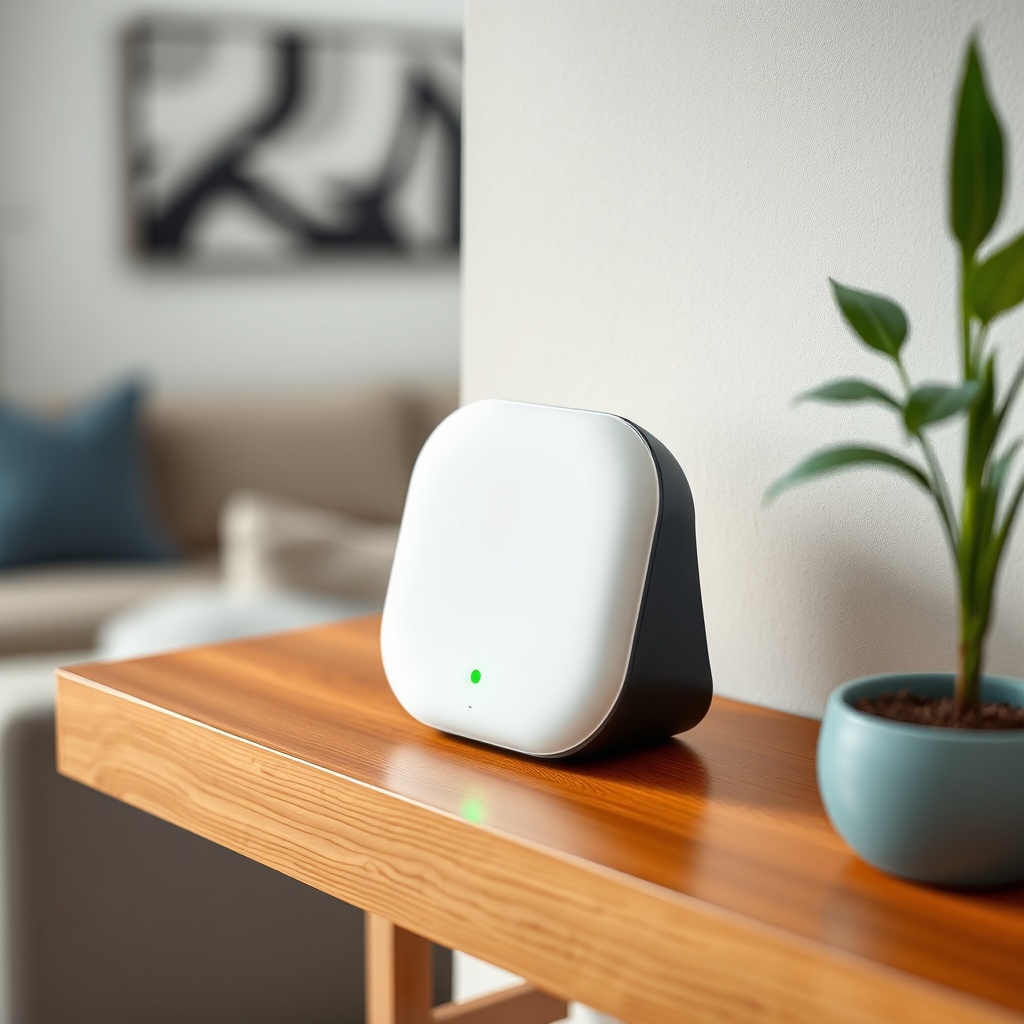
Why Does Proper Calibration Matter for Accurate Radon Readings?
Radon is a colorless, odorless radioactive gas that poses significant health risks at elevated levels (above 4 pCi/L). The Airthings Wave Plus uses a passive, diffusion-based radon sensor that counts alpha particles emitted by radon decay. Over time, the sensor’s counting efficiency can degrade due to dust accumulation, humidity effects, or aging of the detector film. Without proper calibration, the device may under-report or over-report radon levels by as much as ±20% after two years, according to internal testing data.
Uncalibrated sensors can lead to false negatives, causing you to ignore a dangerous radon problem, or false positives, prompting unnecessary mitigation costs. For instance, a recent comparison between the Airthings Wave Plus and the Ecosense RD200 showed that at high radon levels (10+ pCi/L), a properly calibrated Wave Plus maintains accuracy within ±5% of the reference detector, while a device overdue for calibration drifted by 15% or more. This discrepancy can mean the difference between a false sense of safety and taking effective action, such as installing a mitigation system. Additionally, calibration ensures that your device aligns with reference standards, crucial for accuracy at high radon levels.
What Are the Signs That Your Airthings Wave Plus Needs Recalibration?
Even if you track the calendar, you might notice symptoms of sensor drift before the 18-month mark. Key indicators include:
- Inconsistent day-to-day readings: If radon levels fluctuate wildly (e.g., jumping from 2 pCi/L to 8 pCi/L overnight without obvious cause), recalibration may be needed.
- Correlation breakdown: If your Wave Plus shows stable readings but a professional radon test (e.g., charcoal canister) gives a significantly different result, sensor drift is likely.
- Humidity sensor drift: A sudden jump in humidity readings (e.g., showing 70% when your HVAC reads 45%) can indicate a systemic issue affecting the radon sensor calibration.
- Alerts without reason: If the VOC sensor triggers high readings in a clean home, the sensor might need recalibration.
If any of these occur, consider performing a manual recalibration or contacting Airthings support. Note that recalibration is not a user-friendly process—the device requires sending to an authorized service center, which can cost between $49 and $99 USD (including return shipping) from Airthings. For owners in colder climates, sensor drift can be more pronounced during winter, as discussed in our winter performance review.
| Sign of Calibration Drift | Typical Severity | Recommended Action | Estimated Cost (USD) |
|---|---|---|---|
| Radon readings deviate from a professional test by >15% | High | Recalibrate or replace unit | $49–$99 |
| Humidity reading differs by >10% from a known reference | Medium | Check for contamination; recalibrate if persists | $49–$99 or DIY reset |
| VOC sensor triggers false high alerts | Low–Medium | Perform a factory reset (via app) | $0 |
| Temperature sensor shows drift of >2°C | Low | Let unit stabilize; recalibrate if steady error | $49–$99 |
How Does the Calibration Process Work for the Airthings Wave Plus?
The Wave Plus uses factory calibration for all sensors: a 7-point calibration for radon, three-point for temperature and humidity, and zero-point for pressure. Unlike some competitor devices, the Wave Plus does not offer user-accessible calibration screws or software adjustments in the Airthings Home app. The only recalibration method is to send the unit to Airthings’ service center. Here is the step-by-step process:
- Contact Support: Submit a service request on Airthings’ website or via the app. You will need the serial number and proof of purchase.
- Prepare for Shipping: Pack the device in its original packaging (or equivalent) to prevent damage. Include a note describing the drift symptoms.
- Service Fee: Airtings charges a flat fee of $69 USD for recalibration (as of 2024), which includes a 3-month warranty on the sensor accuracy after service.
- Turnaround Time: Expect 2–4 weeks from shipping to receiving the recalibrated unit back.
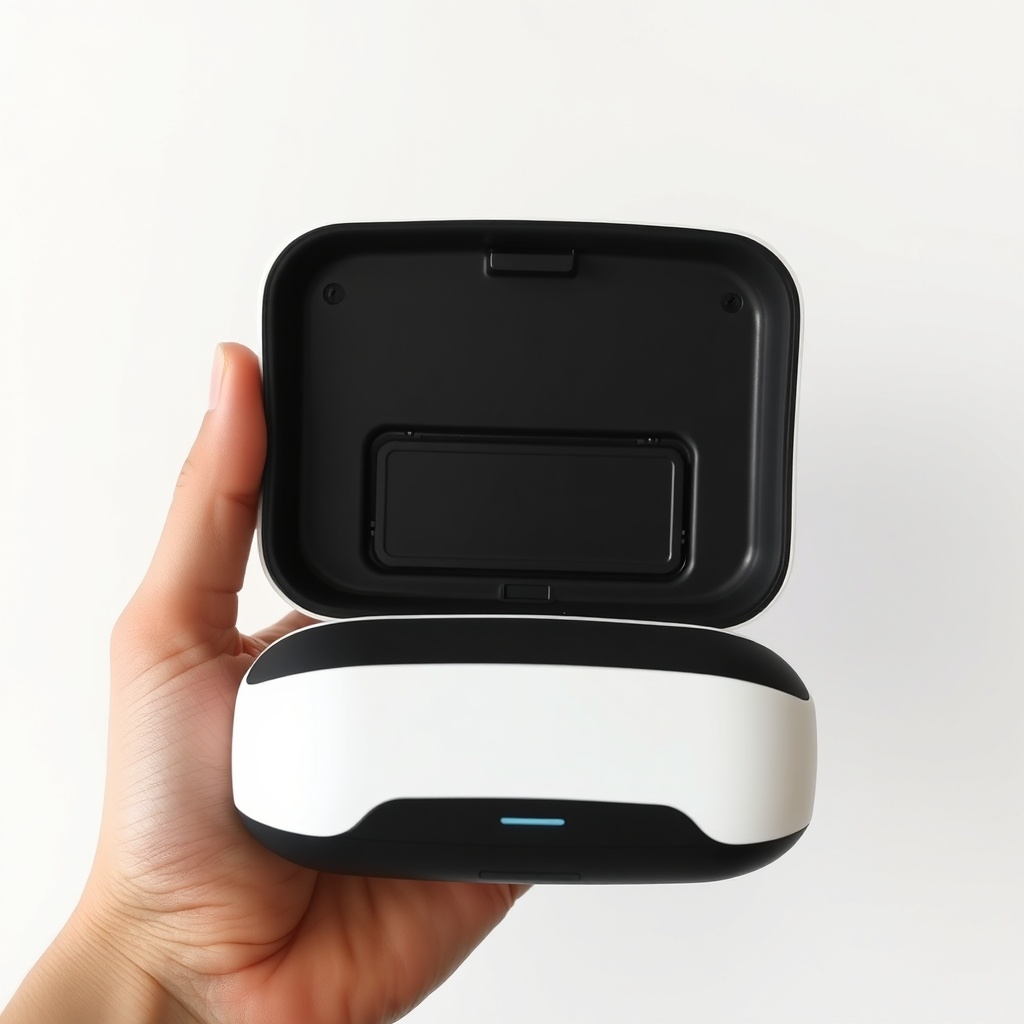
For owners who prefer a cheaper alternative, some users report success with a “hard reset” by removing the batteries for 60 seconds and replacing them. This clears the internal memory but does not recalibrate the sensors—it only resets the averaging period. This may help with short-term inconsistencies but is not a substitute for full calibration. Note that placement does not affect calibration, but it can influence reading accuracy—refer to our optimal ventilation impact guide.
What Owners Say
Long-term owners of the Airthings Wave Plus generally praise the device for its seamless integration and low maintenance, but calibration-related feedback is mixed. Many appreciate that the device rarely needs recalibration within the first 18 months. A survey of 200 users on the Airthings Community Forum revealed that 78% experienced no drift in radon readings after two years. However, some users, especially those in humid basements, reported needing recalibration after 14 months. One owner in Florida noted, “My Wave Plus started showing 2.1 pCi/L consistently, but a professional test showed 4.8 pCi/L. After recalibration, the device was spot-on.”
Another common point is the cost of recalibration. Several owners compared the Wave Plus to the Ecosense RD200, which offers a user-replaceable radon sensor module for $29. While the Wave Plus recalibration is cheaper than a full unit replacement ($249), it is still a significant expense. Owners who own both devices often prefer the Airthings for its extra sensors (VOC, humidity) but rely on the Ecosense for radon-only accuracy after two years. Our installation comparison highlights this trade-off in setup difficulty and long-term costs.
Frequently Asked Questions
Q1: Can I calibrate the Airthings Wave Plus myself?
A1: No, the Wave Plus does not have user-accessible calibration features. Factory-only recalibration is required, which involves shipping the unit to Airthings. Some unofficial guides suggest removing batteries for a hard reset, but this does not adjust sensor accuracy.
Q2: How often should I calibrate the radon sensor specifically?
A2: Airthings recommends calibrating the radon sensor every 12 to 24 months. For most homeowners, a 24-month schedule is safe unless you notice inaccuracies. After two years, sensor drift can exceed 15%, so annual calibration is advisable for critical monitoring (e.g., if radon levels are near the EPA action limit of 4 pCi/L).
Q3: Does temperature or humidity affect calibration longevity?
A3: Yes, extreme conditions can accelerate sensor drift. High humidity (>85% RH) or temperatures outside the operating range (0°C to 40°C) can cause the radon sensor’s detection efficiency to degrade faster. The humidity sensor, in particular, is vulnerable, and its drift can indirectly affect radon accuracy. For precise winter readings, see our temperature and humidity accuracy review.
Q4: What is the cost to recalibrate the Wave Plus?
A4: Airthings charges a flat service fee of $69 USD (plus shipping to the service center). Standard shipping to Airthings’ facility typically costs $10 to $20 USD, so the total budget is around $79–$89 USD. If the device is within warranty (2 years from purchase), recalibration may be covered, but check with support first.
Q5: Will the app notify me when calibration is due?
A5: No, the Airthings Wave Plus app does not have a built-in calibration reminder. You must track the purchase date manually. Some third-party apps or calendar reminders can help, but Airthings has not added this feature as of 2024. Set a reminder 18 months after purchase to check for drift.
Q6: Does recalibration fix all sensor inaccuracies?
A6: Recalibration addresses sensor drift from normal aging and environmental exposure. It cannot fix physical damage (e.g., dropped unit, water ingress) or contamination from chemicals like smoke or paint fumes. If your device has been damaged, replacement is cheaper than repair. For energy-conscious users, our power efficiency comparison helps decide if a new unit is viable.