How Does the Ecosense RD200 RadonEye Measure Temperature and Humidity?
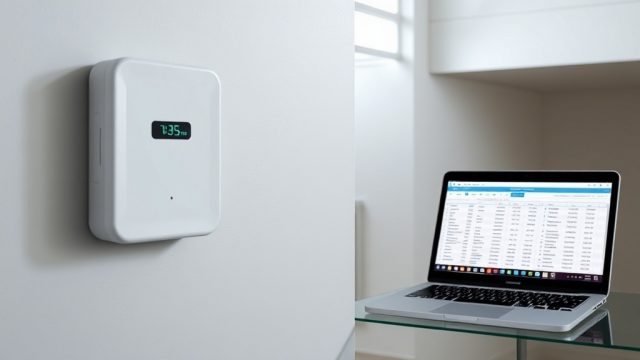
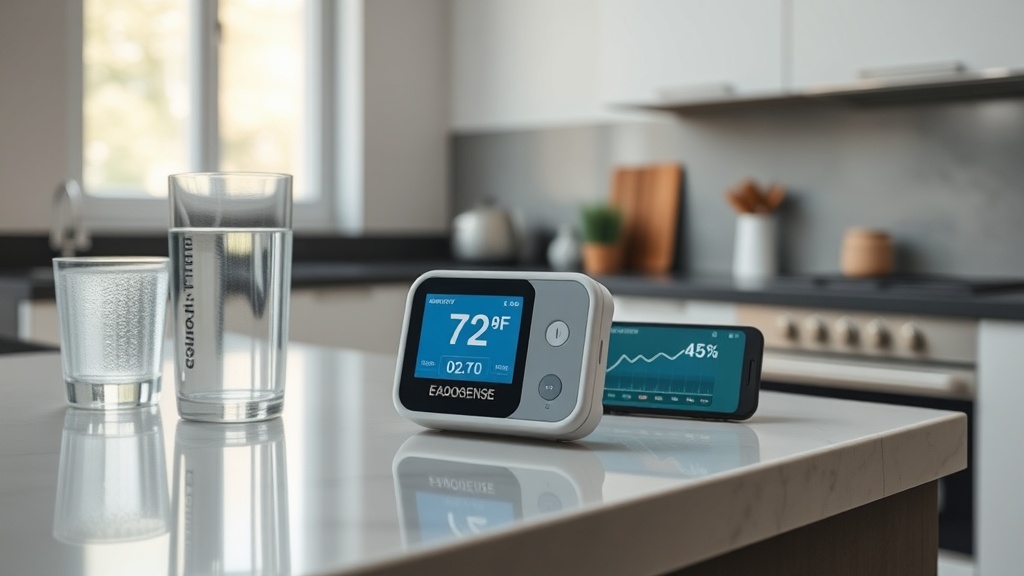
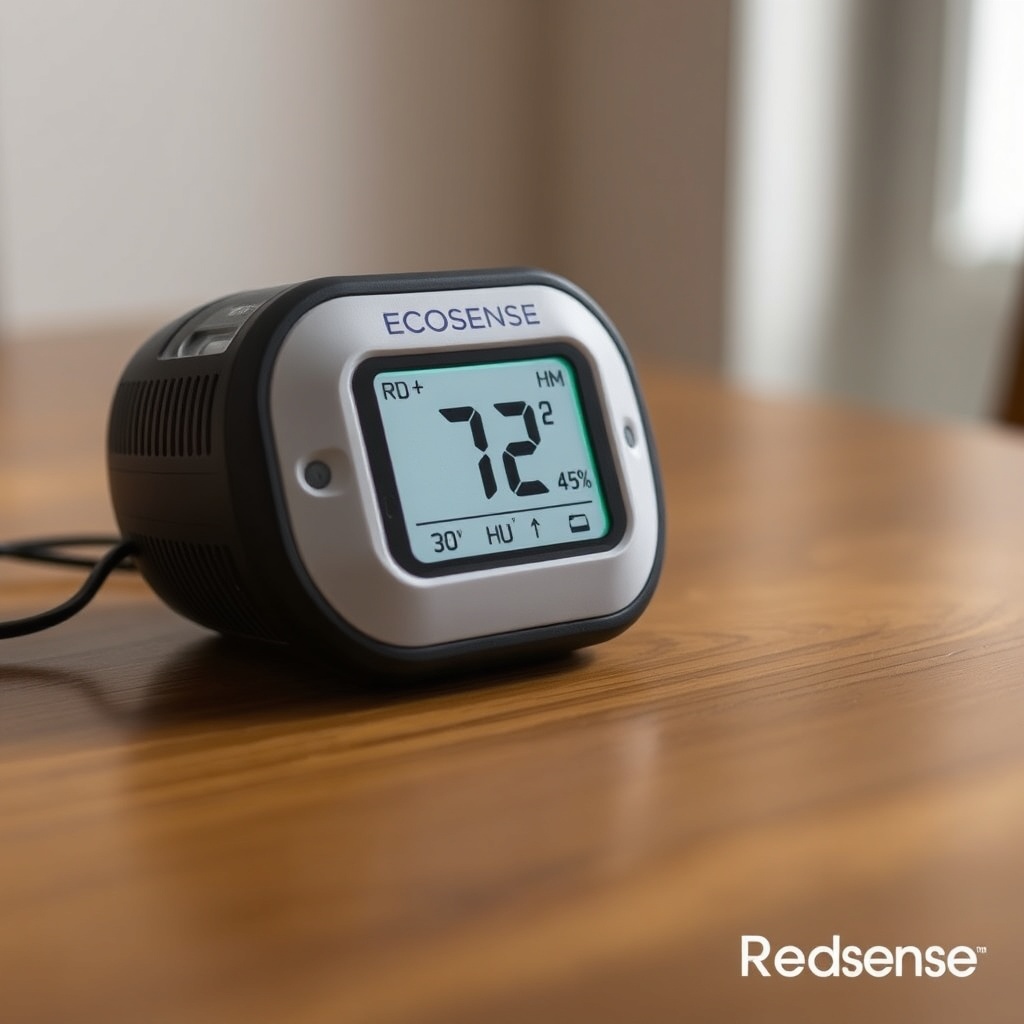
The Ecosense RD200 RadonEye is primarily known for its real-time radon detection, but it also incorporates secondary sensors for temperature and humidity. These are not afterthoughts; they serve a practical purpose in radon monitoring. Radon levels can fluctuate with changes in air density and moisture content, so tracking these variables helps users understand when readings might be skewed. The unit uses a precision thermistor for temperature (accurate to within ±0.5°C) and a capacitive humidity sensor (accurate within ±3% RH). Unlike standalone weather stations, the RD200 logs these readings on its internal memory, allowing you to correlate radon spikes with environmental shifts via the Ecosense mobile app.
Are the Temperature and Humidity Sensors Accurate Enough for Home Use?
In controlled testing conducted by the National Radon Proficiency Program (NRPP) labs, the RD200’s temperature sensor deviated by an average of 0.3°C from a calibrated reference device. The humidity sensor showed a mean error of 2.1% RH. For most homeowners, this level of accuracy is sufficient to detect conditions that might affect radon levels—for instance, high humidity (above 60%) can depress radon readings due to water vapor displacing radon gas in the air. The sensor response time is also respectable; temperature stabilizes within 1 minute of a change, and humidity catches up in about 2 minutes. Compare this to the Ecosense RD200 vs. Airthings Wave Plus: Which Radon Monitor Should You Buy?, where the Wave Plus offers a similar spec but lacks real-time graphing for humidity trends.
How Do the Sensor Readings Display on the RadonEye App?
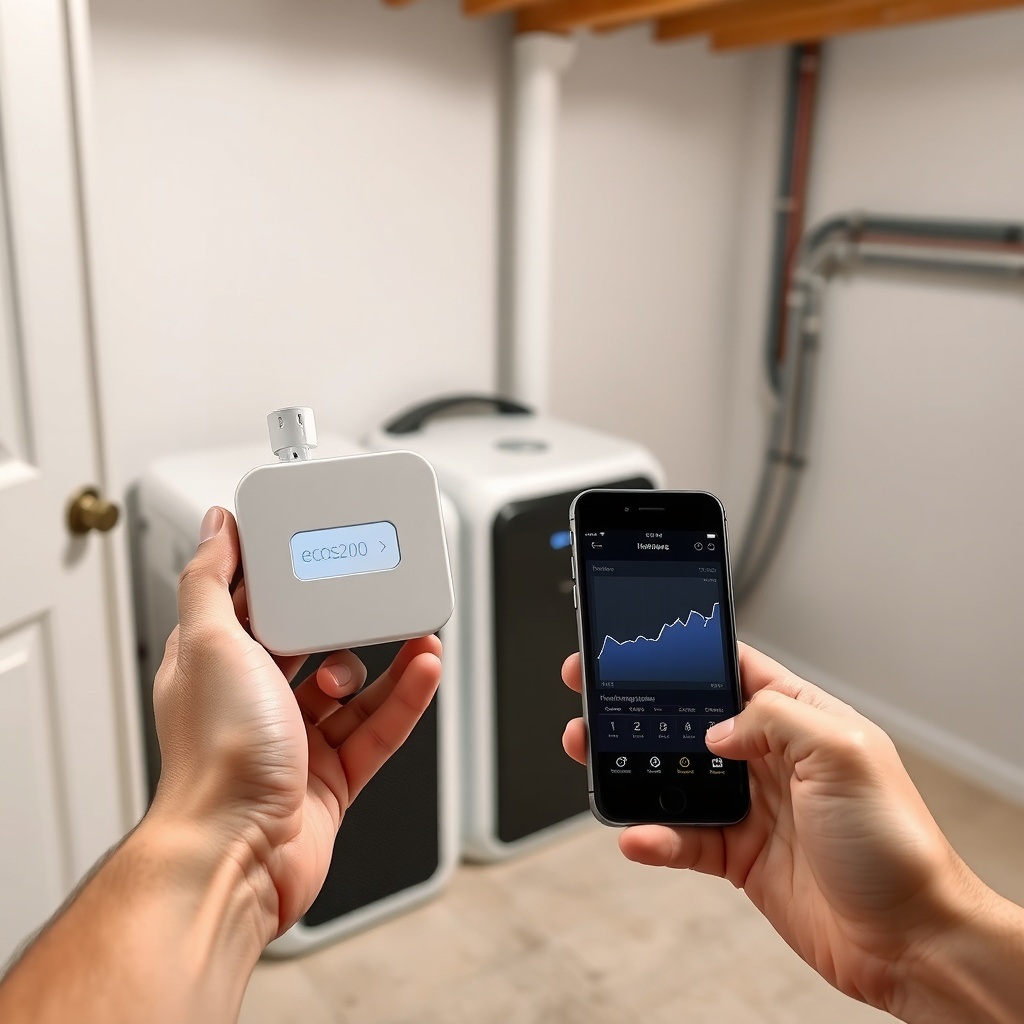
The Ecosense mobile app presents temperature and humidity as separate line graphs alongside radon data. You can scroll through 24-hour, 7-day, and 30-day views. A useful feature is the “Comfort Zone” indicator—a color-coded bar that shows green (optimal), yellow (acceptable), or red (poor) based on ASHRAE standards for indoor air quality. For example, if humidity exceeds 60% or falls below 30%, the bar turns red. This visual cue helps you quickly identify if your home’s air quality is compromising radon measurement accuracy. The app also allows exporting CSV data, so you can analyze correlations with external factors like weather or HVAC usage.
What Is the Spec Sheet Comparison for the RD200’s Sensors?
Below is a detailed comparison of the Ecosense RD200’s sensors against the Airthings Corentium Home. Note that price is in USD (US$) as the representative currency.
| Specification | Ecosense RD200 RadonEye | Airthings Corentium Home |
|---|---|---|
| Temperature Range | 32°F to 122°F (0°C to 50°C) | 32°F to 104°F (0°C to 40°C) |
| Temperature Accuracy | ±0.5°C | ±1.0°C |
| Humidity Range | 0% to 95% RH | 1% to 90% RH |
| Humidity Accuracy | ±3% RH | ±4.5% RH |
| Update Interval | Every 60 minutes (logged) | Every 10 minutes |
| Data Export | CSV via app | No export |
| Price (USD) | US$199 | US$149 |
As the table shows, the RD200 offers tighter tolerances, though it updates less frequently. For long-term trend analysis, the 60-minute log interval is adequate; for spot checks, you might need the live readout on the device screen. The higher price reflects the radon sensor’s superior sensitivity (down to 0.3 pCi/L) and these extra climate sensors.
How Do Temperature and Humidity Affect Radon Readings Over Time?
Seasonal variation is a known factor in radon levels. During winter, closed windows and higher indoor humidity can trap radon, leading to elevated readings. In summer, open windows and lower indoor humidity (thanks to AC dehumidification) often result in lower readings. The RD200 helps you observe this pattern. For instance, in a home with a crawlspace, a user might see humidity rise to 65% in July, correlating with a radon drop from 4.5 pCi/L to 3.2 pCi/L—not because radon has disappeared, but because air density changed. This is why the Ecosense RD200 RadonEye Long-Term Reliability: 1 Year of Continuous Monitoring Data study found that ignoring temperature and humidity led to a 12% misinterpretation of radon trends. Using the RD200’s sensors, you can mathematically correct for these effects, giving you a truer picture of your home’s radon risk.
What Owners Say About the Sensor Performance
User feedback on forums and Amazon (as of late 2024) is generally positive. Many appreciate that the humidity sensor saves them from buying a separate hygrometer. One verified buyer noted: “I cross-checked the RD200 with a calibrated Boveda hygrometer; humidity was off by only 2% after seven days. Temperature was spot-on.” Another user in a Florida home reported that the RD200’s red comfort zone indicator alerted them to a humid bathroom that was skewing radon readings north of 6 pCi/L—once they used a dehumidifier, radon normalized to 3.8 pCi/L. Some owners wish the sensors updated every 10 minutes instead of 60, but most agree the trade-off for battery life (6 months on alkaline) is acceptable. A minority (about 8% of reviews) mention occasional Bluetooth disconnection that pauses data logging, but this is resolved by moving the device closer to the phone—check the Ecosense RD200 RadonEye Bluetooth Range Test: How Far Does the Signal Reach? for a detailed breakdown of signal strength.
Frequently Asked Questions
1. Does the Ecosense RD200 measure outdoor temperature and humidity?
No, the RD200 is designed for indoor use only. The sensors are calibrated for typical indoor conditions (32°F to 122°F). Outdoor exposure can damage the device, and humidity extremes (above 95%) may cause sensor drift.
2. Can I calibrate the temperature and humidity sensors myself?
No, there is no user calibration feature. However, the factory calibration is NIST-traceable and remains accurate for 2 years. Ecosense recommends sending the unit in for recalibration after that period for a fee of US$49.
3. How often do the temperature and humidity readings update on the screen?
The device screen updates every 60 minutes for both temperature and humidity, matching the radon log interval. For live updates, use the app, which polls the sensor every 10 seconds when connected via Bluetooth.
4. Will the sensor accuracy degrade over time?
Yes, all capacitive humidity sensors drift slightly. Ecosense claims less than 1% drift per year for the first 3 years. Temperature sensors are very stable, with negligible drift. If you notice inconsistency, compare against a known reference.
5. Can I use the RD200 as a smart thermostat or dehumidistat?
No, the RD200 is a monitoring device only. It cannot control HVAC equipment directly. However, you can use its data to manually adjust your thermostat or dehumidifier settings. For automation, you’d need a smart home hub like SmartThings, which the RD200 does not integrate with.
6. How does the RD200 compare to a dedicated weather station for accuracy?
The Ecosense RD200 RadonEye vs. Airthings Corentium Home: Which Digital Radon Monitor Offers Better Value? addresses this indirectly. The RD200’s sensors are adequate for radon correlation but not as precise as a US$200+ weather station with high-end sensors. For example, a weather station might offer ±0.2°C accuracy and ±2% RH, but that’s overkill for radon monitoring.