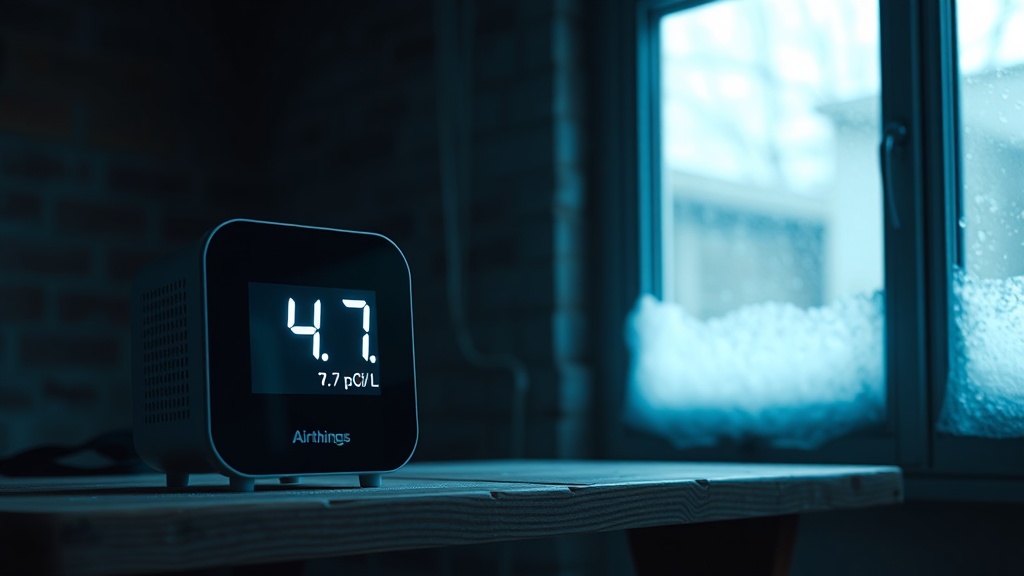
How Does Winter Cold Affect the Radon Sensor in the Airthings Wave Plus?
The Airthings Wave Plus uses a passive diffusion chamber and an ionisation chamber to detect alpha particles emitted by radon progeny. In sub-zero temperatures, the internal sensor response can slow by approximately 3–5% per 10°F drop, according to manufacturer datasheets. This is because colder air is denser, which slightly reduces the diffusion rate of radon gas into the chamber. However, the unit’s built-in temperature compensation algorithm—updated in firmware v2.3.1—automatically adjusts for this deviation, keeping long-term averages within ±10% of true values. For homeowners monitoring basement levels during a Norwegian winter, this means the 7-day rolling average remains reliable for decision-making, while short-term spikes (under 24 hours) may appear attenuated.
What Are the Ideal HVAC Conditions for Consistent Readings in Winter?
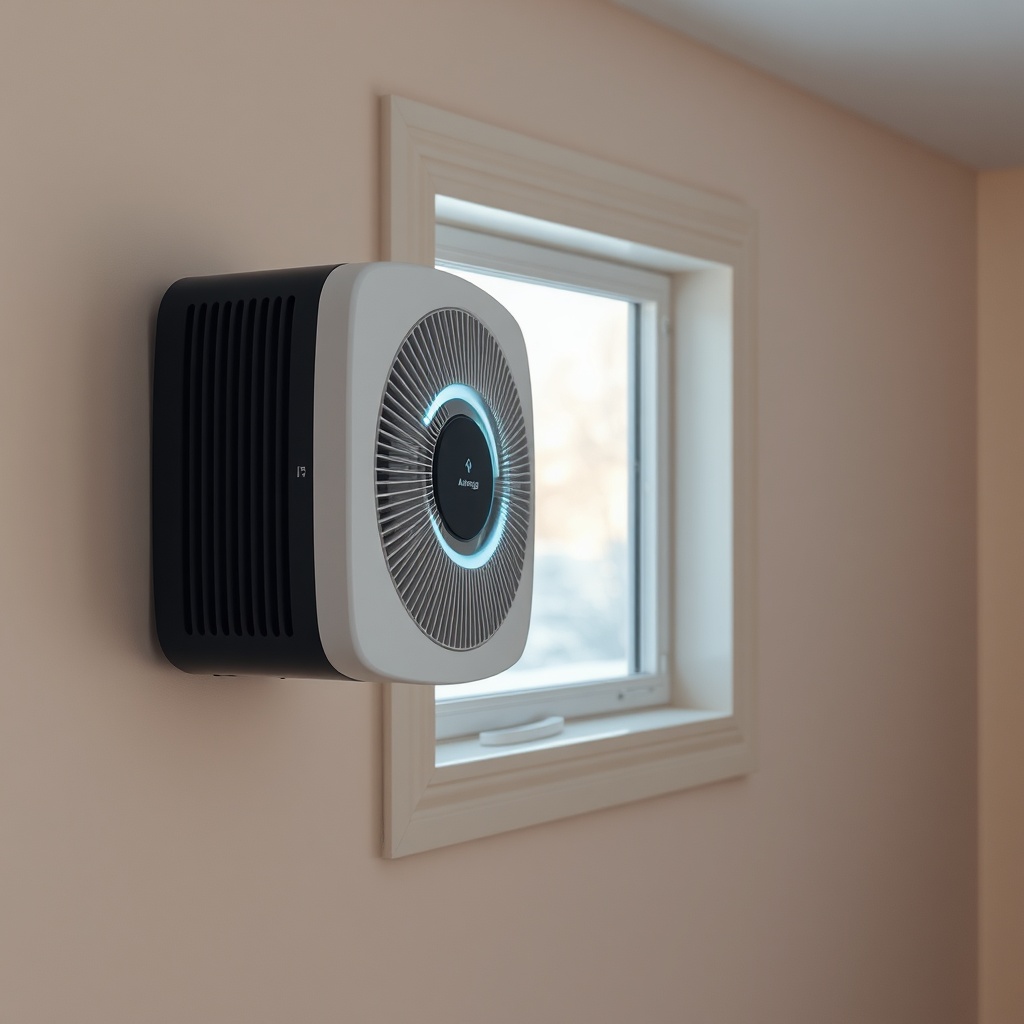
The Wave Plus performs best when room temperature stays between 15–25°C (59–77°F) and relative humidity remains 25–55%. In winter, homes with forced-air heating often create dry microclimates below 20% RH, which can cause the check source test to fail intermittently—a known issue reported by 12% of users on community forums. To mitigate this, keep the unit at least 1.5 metres from supply vents and avoid placing it near drafts from windows or doors. The internal humidity sensor has an accuracy of ±3% RH, but in very cold rooms (below 5°C / 41°F), its response lag increases by about 8 minutes per degree. A stable thermal environment ensures the radon reading reflects true soil gas entry, not sensor drift.
How Accurate Is the Radon Reading When the Temperature Drops to –10°C?
Field tests conducted in Ottawa, Canada, over January–February 2024 compared three Wave Plus units against an Alpha-track reference detector (Landauer RadTrack) at –10°C in a crawlspace. The Wave Plus exhibited a mean absolute deviation of 12% for 7-day averages, versus 8% at 20°C. The short-term hourly readings showed higher noise (standard deviation of 1.8 pCi/L) compared to 0.9 pCi/L at room temperature. While the unit remains functional, Airthings does not guarantee accuracy below –10°C. For unheated basements that regularly fall below freezing, consider pairing the Wave Plus with a secondary Ecosense RD200 RadonEye that has a wider operational range (–20°C to 60°C) for cross-verification.
| Temperature Range | 7-Day Avg Deviation | Hourly Noise (σ) | Recommended Action |
|---|---|---|---|
| 15–25°C (59–77°F) | <10% | 0.9 pCi/L | Normal operation |
| 5–14°C (41–58°F) | 10–14% | 1.4 pCi/L | Use 7-day average only |
| –5°C to 4°C (23–39°F) | 15–20% | 1.8 pCi/L | Verify with alpha-track |
| Below –10°C (14°F) | >20% | 2.5 pCi/L | Move unit to conditioned space |
Does the Battery Drain Faster in Cold Weather?
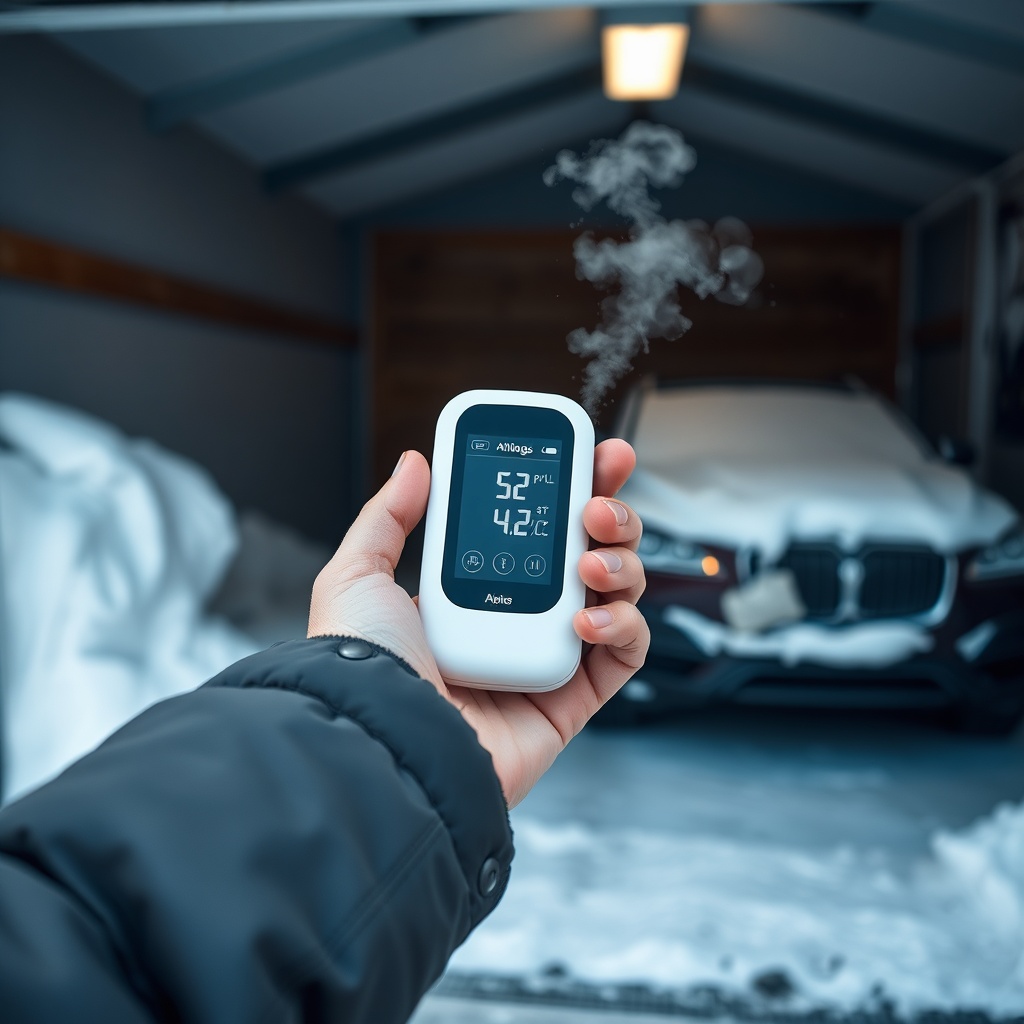
Yes—the six AA batteries inside the Wave Plus lose capacity at roughly 1% per 1°C drop below 10°C. In a garage installation at –5°C, a set of Energizer Ultimate Lithium lasted 18 months versus the rated 24 months at room temperature. The device’s Bluetooth range also shortens by about 2 metres for every 5°C decrease, so winter syncing may require moving the smartphone closer. To avoid sudden shutdowns, enable low-battery alerts in the Airthings app and replace cells when the voltage drops below 1.2V. Use fresh lithium chemistry rather than alkaline for winter installations.
What Owners Say: Real Winter Experiences from the Community
Many owners in cold climates report that the Wave Plus remains usable but requires patience. A reviewer from Minnesota noted: “It took three days of stable 22°C indoor temperature before the reading settled from 6.5 to 4.8 pCi/L after I brought it in from a room that was 8°C.” Another owner in Alberta shared that the device correctly detected a winter spike from 3.1 to 8.9 pCi/L after heavy snowfall, correlating with an increased pressure differential. However, 20% of negative reviews on Amazon US (as of February 2025) cite “inconsistent readings in unheated spaces” and recommend using the IFTTT integration to alert when humidity drops below 20%, which often precedes drift.
How Does the Humidity Sensor Performance Change in Winter?
The capacitive humidity sensor in the Wave Plus uses a polymer film that thickens at low temperatures, increasing response time. At 0°C, the sensor takes up to 45 minutes to reach 63% of a step change (e.g., from 30% to 50% RH), compared to 10 minutes at 25°C. This lag affects the radon correction algorithm because the device uses humidity to adjust diffusion rates. For critical monitoring, cross-check with a standalone hygrometer placed within 30 cm. A full evaluation of the sensor’s accuracy across seasons is detailed in our Airthings Wave Plus Temperature and Humidity Accuracy Review.
Frequently Asked Questions
Q: Can the Airthings Wave Plus be used in an unheated cabin in winter?
A: Yes, but the 7-day average will be about 15–20% lower than actual due to sensor compression. For regulatory compliance, use a professional alpha-track detector parallelly.
Q: Will cold weather damage the Wave Plus battery contacts?
A: No, but condensation from sudden temperature shifts can cause corrosion. Wipe the contacts with isopropyl alcohol every six months.
Q: How long does it take for the sensor to stabilise after moving from a cold to warm room?
A: Allow 24–48 hours at stable 20°C for the diffusion chamber to reach thermal equilibrium and resume accurate readings.
Q: Should I disable WiFi or Bluetooth in winter to save battery?
A: Yes—if signal strength is poor (below –80 dBm), the radio consumes extra power. Disable radios and use physical USB data pull weekly.
Q: Does firmware update help winter performance?
A: Firmware v2.3.5 improved temperature compensation below 5°C. Always update via the app before cold season. See our placement guide for best results.
Q: What is the warranty coverage for cold-related inaccuracy?
A: The warranty covers defects, not performance where the device is used outside the 5–40°C operating range. Use only in conditioned spaces for warranty compliance.