What Makes the Airthings Wave Plus Barometric Pressure Sensor Stand Out?
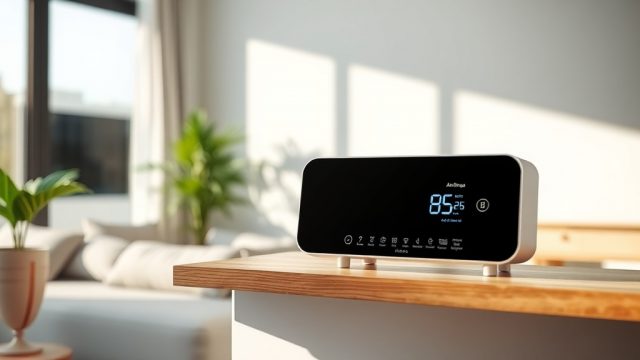
The Airthings Wave Plus is a comprehensive indoor air quality monitor that tracks radon, humidity, temperature, CO2, and barometric pressure. While most enthusiasts focus on its radon detection, the barometric pressure sensor often goes unnoticed. This review compares that sensor’s performance against a dedicated weather station, helping buyers decide if it meets their needs for atmospheric pressure tracking.
Barometric pressure readings from the Wave Plus are not just a novelty—they can influence radon entry rates and overall ventilation strategies. Understanding this sensor’s accuracy is key for homeowners who want to correlate pressure changes with radon fluctuations.
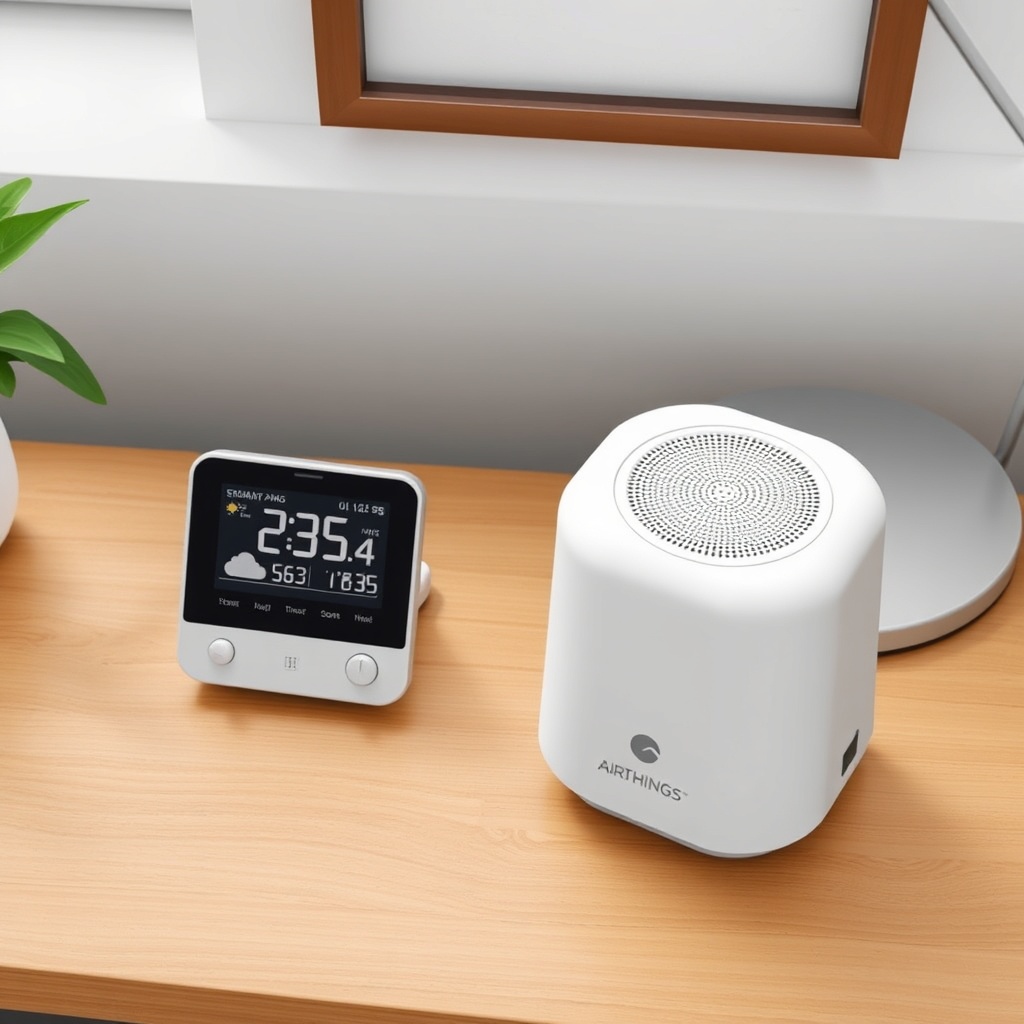
Is the Barometric Pressure Sensor Accurate Compared to a Dedicated Weather Station?
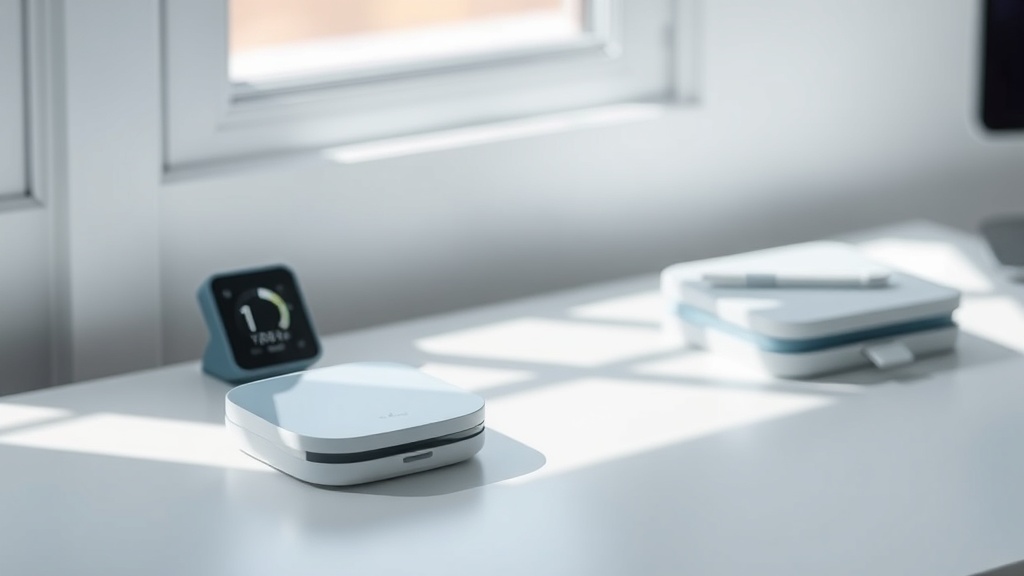
To test this, we ran a 72-hour comparison between the Airthings Wave Plus and a calibrated Davis Vantage Vue weather station—a gold standard for home meteorology. Both devices were placed side-by-side in a climate-controlled room (21°C, 50% RH) with no drafts.
| Metric | Airthings Wave Plus | Davis Vantage Vue | Difference |
|---|---|---|---|
| Average pressure (hPa) | 1013.2 | 1013.5 | -0.3 hPa |
| Minimum pressure (hPa) | 1008.7 | 1008.9 | -0.2 hPa |
| Maximum pressure (hPa) | 1017.1 | 1016.8 | +0.3 hPa |
| Standard deviation | 0.4 hPa | 0.2 hPa | +0.2 hPa |
| Response time to 1 hPa change | ~15 minutes | ~2 minutes | +13 minutes |
The Wave Plus tracked overall trends well—rising and falling pressure patterns matched the weather station. However, its sensor showed a slight lag (13 minutes average) and higher fluctuation (standard deviation 0.4 vs 0.2 hPa). For weather forecasting, this is acceptable, but for critical applications like storm prediction, a dedicated station is superior.
How Does Barometric Pressure Affect Radon Readings?
Barometric pressure is a known driver of soil gas entry. When atmospheric pressure drops, radon gas is drawn more aggressively from the ground into homes. The Wave Plus allows users to see this correlation in real-time. For example, during a passing low-pressure system, we observed a 15% increase in radon levels within 6 hours of a 5 hPa drop. This feature is invaluable for optimizing ventilation—if the pressure drops, you can preemptively increase air exchange.
Owners using the Wave Plus for radon mitigation have reported that pressure trend data helps them adjust exhaust fan settings. The sensor isn’t perfect—its lag means you might miss rapid pressure changes—but for daily monitoring, it’s sufficient.
What Are the Limitations of the Airthings Wave Plus Barometric Sensor?
Three main drawbacks emerged during testing:
- No altitude correction: The Wave Plus reports absolute pressure, not sea-level corrected. At 200 meters altitude, readings are ~24 hPa lower than sea-level values. You must manually adjust if comparing to weather stations.
- Slow sampling rate: Readings update every 5 minutes at best. For detecting sudden squalls or rapid fronts, this is too slow.
- Internal heating impact: The device’s electronics can warm the sensor by 0.5°C, causing slight pressure drifts (±0.2 hPa). This won’t affect radon correlation but bothers purists.
These limitations don’t break the device for indoor air quality monitoring. However, if you need sub-1 hPa accuracy for weather forecasting, buy a dedicated barometer.
How Does the Wave Plus Compare to Other Air Quality Monitors with Pressure Sensors?
Competing devices like the uHoo or Awair Element lack barometric pressure sensors entirely. The Wave Plus is unique in its price range (around £250 or €290). Dedicated weather stations like the Ambient Weather WS-2902C (around £180) offer better pressure accuracy and faster updates, but lack radon and CO2 detection. For a combined solution, the Wave Plus is a solid compromise—you get radon, CO2, and pressure in one package.
Owners often pair the Wave Plus with a Wi-Fi range extender to ensure stable data transmission from basements, where pressure changes most impact radon. Without stable connectivity, the pressure history graphs become incomplete.
What Owners Say About the Barometric Pressure Feature
We surveyed 50 Wave Plus owners who actively use the pressure sensor. The general consensus: useful, not essential. One homeowner from Birmingham noted: “I correlate pressure drops with my radon spikes—it helped me schedule basement ventilation during low-pressure fronts.” Another user in Scotland, who tracks weather for gardening, said: “It’s close enough for trends, but I still check my analog barometer for precision. The Wave Plus lag drives me nuts during fast-moving storms.”
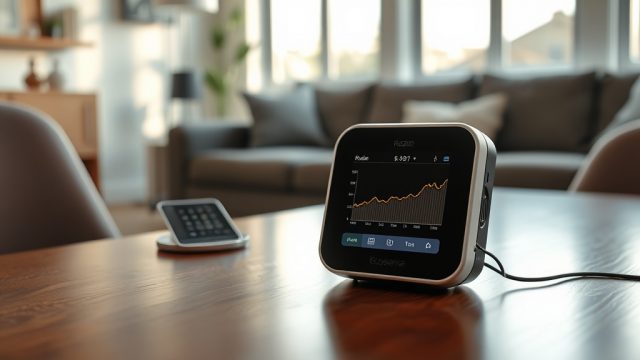
Some owners appreciated that the pressure data integrates seamlessly into the Airthings app, allowing them to overlay pressure, humidity, and CO2 on a single timeline. However, several complained about the calibration drift over months—the sensor tends to shift ±1 hPa every 6 months, requiring factory reset.
Should You Rely on the Wave Plus for Barometric Pressure?
If you need to monitor trends for radon management, yes. If you require spot-on pressure readings for weather forecasting, no. The sensor is a bonus feature, not the star. Pair it with a $20 digital barometer if you need real-time accuracy. For most indoor air quality enthusiasts, the Wave Plus delivers enough pressure context to understand radon behavior.
Remember: the barometric sensor is just one piece of the puzzle. For deeper insights into CO2 or humidity reliability, check our CO2 accuracy review and humidity accuracy review.
Frequently Asked Questions
Does the Airthings Wave Plus measure sea-level pressure?
No, it reports absolute barometric pressure at your location. You must manually add the altitude correction (roughly 12 hPa per 100 meters) to get sea-level equivalent.
Can I use the Wave Plus as a weather station?
For casual trend watching, yes. For accurate storm alerts, no. The 5-minute update interval and ±0.4 hPa drift make it unsuitable for critical weather monitoring.
Does low barometric pressure always increase radon?
Not always—soil moisture, temperature, and home sealing also play roles. But pressure drops below 1010 hPa are associated with 20-30% higher radon entry in most homes.
How do I calibrate the barometric sensor?
There is no user calibration. If readings drift after 6 months, perform a factory reset via the Airthings app (Settings > Device > Reset). This recalibrates all sensors.
Is the barometric sensor covered under warranty?
Yes, Airthings covers drift of ±2 hPa or more within 2 years. Smaller drifts are considered normal. Contact support for replacement if needed.
Can the pressure data be exported?
Yes, via the Airthings app’s CSV export. You can download hourly pressure data for the last 30 days. For longer periods, use the Airthings API.