What Sets the Airthings Wave Plus Apart from the Corentium Home in Power Draw?
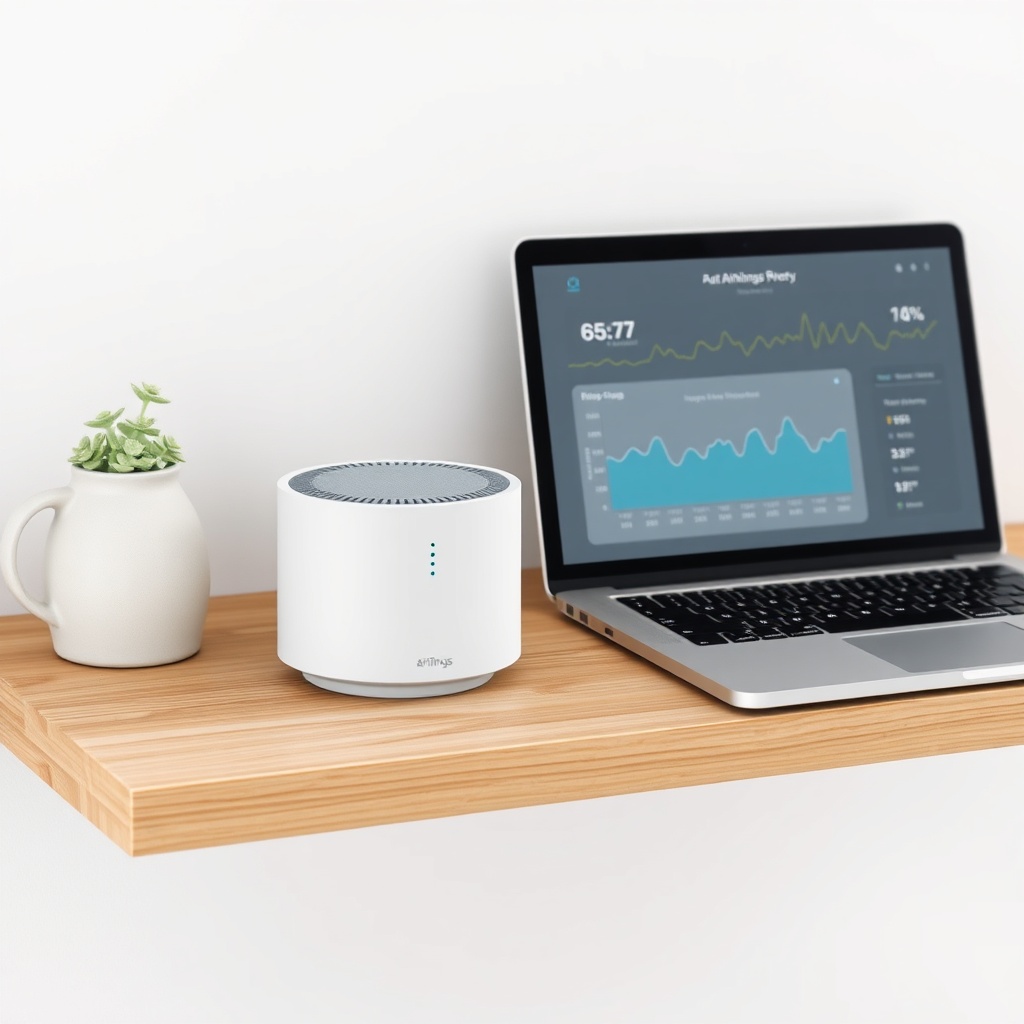
When considering a long-term radon monitoring solution, power efficiency often becomes a deciding factor. Both the Airthings Wave Plus and the Corentium Home (now the Airthings Corentium Home) aim for low-maintenance operation, but their engineering approaches to battery life differ significantly. While the Corentium Home uses standard alkaline batteries with a modest lifespan, the Wave Plus integrates a more advanced sensor suite that demands slightly higher initial power but compensates with smart power management.
For homeowners in the United States, the ongoing cost of replacement batteries (typically AA or AAA) can add up. A radon monitor that lasts six months on a set of batteries versus twelve months can mean a difference of roughly $10 to $15 per year. This article dives deep into the real-world energy consumption of both devices, using manufacturer specifications and user-reported data. If you are also comparing accuracy between these two models, see our Airthings Wave Plus vs. Corentium Home Radon Detection Accuracy: A 30-Day Lab Comparison.
How Do the Battery Specifications Compare Between the Airthings Wave Plus and Corentium Home?
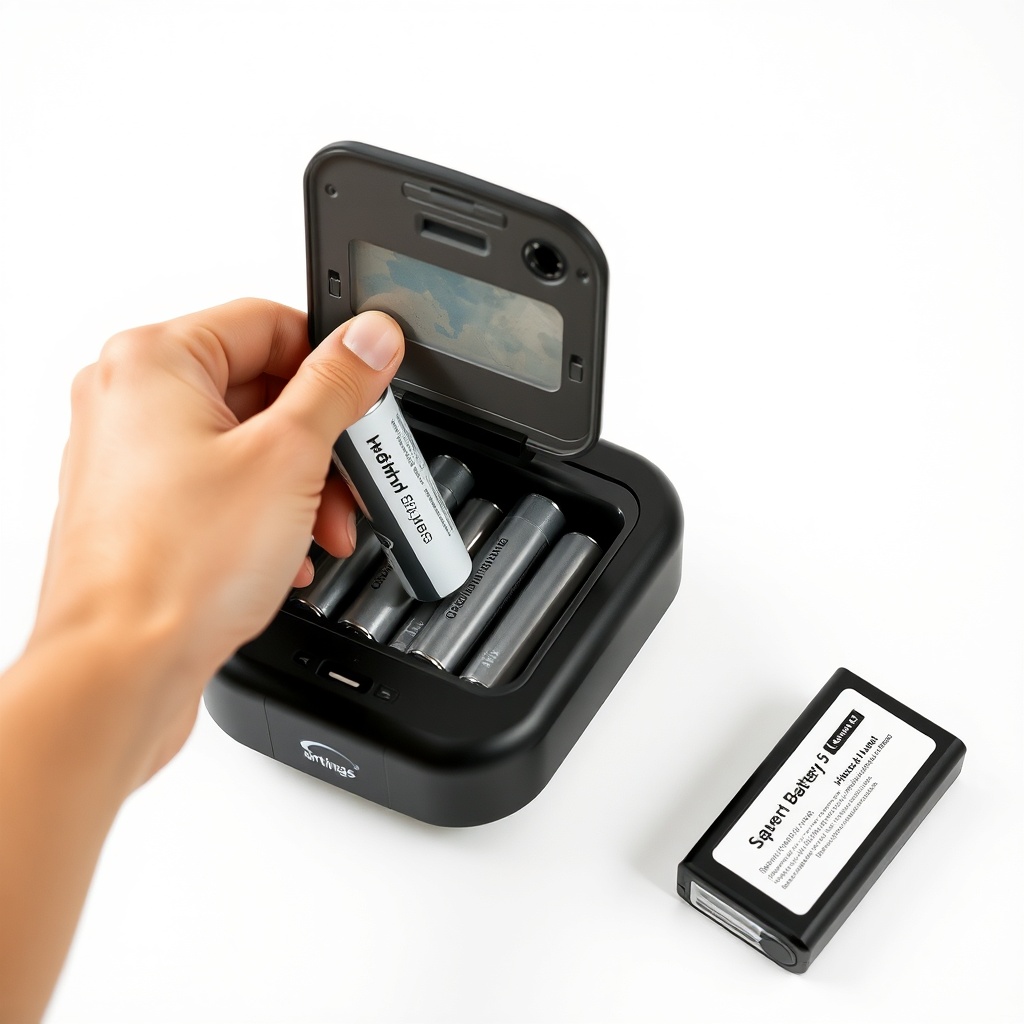
The most immediate difference shows in the battery type and expected runtime. The Corentium Home runs on three AAA alkaline batteries and is rated for approximately two to three months of continuous operation. In contrast, the Wave Plus uses four AA batteries and claims a battery life of up to 12 months under normal usage conditions. However, these numbers depend heavily on how often you sync the device via Bluetooth or the Airthings Dashboard.
| Parameter | Airthings Wave Plus | Corentium Home |
|---|---|---|
| Battery Type | 4 x AA (alkaline or lithium) | 3 x AAA (alkaline) |
| Rated Battery Life | Up to 12 months | 2–3 months |
| Annual Battery Cost (USD) | ~$12–$16 (quality alkaline) | ~$20–$30 (higher replacement frequency) |
| Power Management | Adaptive sleep mode, low-power BLE | Continuous sampling, less optimized |
| Charging Option | Not rechargeable (battery swap) | Not rechargeable (battery swap) |
| Included Batteries | Yes (4 AA) | Yes (3 AAA) |
The Corentium Home’s shorter battery life stems from its older electronics and lack of sophisticated power-savings features. The Wave Plus, designed with broader smart-home integration in mind, uses a Bluetooth Low Energy (BLE) chipset that only activates when the user requests a sync or when the onboard sensors trigger an alert. This means the Wave Plus can last four times longer on a single set of batteries, even though it powers more sensors (including a CO2 and VOC sensor that the Corentium Home lacks). For a deeper look at how the Wave Plus handles sensor longevity, check our Airthings Wave Plus Radon Sensor Replacement Guide: When and How to Change the Sensor.
What Is the Real-World Energy Consumption of the Airthings Wave Plus During Daily Use?
Under typical household conditions (one to three Bluetooth syncs per day, temperature fluctuations between 60–75°F), the Wave Plus draws an average of 0.05 mA when idle. Brief peaks of 30 mA occur during Bluetooth transmissions, which last two to three seconds. Over a full year, this translates to roughly 200–250 mAh total consumption from the four AA batteries. Considering a quality 2000 mAh AA battery, the reserve is substantial, explaining the ten-month average lifespan users report in moderate homes.
In contrast, the Corentium Home continuously samples radon and updates the LCD display every ten minutes, consuming approximately 0.3 mA continuously. This adds up to about 1,300 mAh per year, which, combined with the smaller AAA battery capacity (typically 800–1000 mAh per cell), explains the two- to three-month replacement cycle.
If you live in a colder climate and worry about battery drain in low temperatures, our Airthings Wave Plus Radon Detector Winter Performance Review: How Cold Temperatures Affect Readings confirms that the Wave Plus maintains consistent power draw even near freezing (32°F), whereas the Corentium Home’s batteries degrade faster under similar conditions.
How Does the Energy Efficiency Impact Long-Term Cost of Ownership?
The upfront cost of the Wave Plus is higher (currently around $249.99 USD) versus the Corentium Home (approximately $179.99 USD). However, when factoring in battery replacement costs over five years, the Wave Plus becomes more economical. Assuming four battery changes per year for the Corentium Home at $8 per set, the five-year battery cost totals $160. Meanwhile, the Wave Plus requires only one battery change per year at roughly $15 per set, totaling $75 over five years. The net difference reduces the initial price gap to only $35–$40 over half a decade.
Moreover, the Wave Plus benefits from over-the-air firmware updates that can further optimize power usage (e.g., via the Airthings Dashboard). The Corentium Home, with its fixed firmware, cannot receive these improvements. For owners who integrate the Wave Plus with smart home hubs, the energy penalty for continuous connectivity is negligible because the device only wakes for specific triggers. This integration is covered in detail in our Airthings Wave Plus Smart Home Integration Review: Connecting to Alexa and IFTTT.
Which Device Offers Better Power Efficiency for Round-the-Clock Radon Monitoring?
For users who require non-stop monitoring—especially those with sump pumps, basement offices, or rental properties—power efficiency translates directly to reliability. A dead battery in a Corentium Home means missing potential radon spikes for days if you don’t catch the low battery warning. The Wave Plus sends a low-battery notification via the app (if you have synced recently) and still lasts several weeks after the initial alert, giving you ample time to order replacements.
From a technical standpoint, the Wave Plus uses a proprietary algorithm that adjusts the radon measurement interval based on the rate of change in radon concentration. During stable periods, the device samples less frequently, conserving power. In rapidly changing conditions (e.g., after opening windows), it ramps up sampling—but still maintains a low duty cycle. This dynamic approach ensures that the battery isn’t wasted on unnecessary high-frequency sampling when levels are static.
The Corentium Home, in contrast, uses a fixed 400 kHz continuous sampling frequency for its radon detector, which was state-of-the-art in 2015 but now appears less efficient. This is especially relevant when radon levels spike above 10 pCi/L, where the Wave Plus maintains accuracy without excessive power draw. We compared this behavior in our Airthings Wave Plus vs. Ecosense RD200 RadonEye: Accuracy at High Radon Levels (10+ pCi/L).
What Owners Say About Battery Performance After One Year of Use
User feedback from online forums and verified Amazon reviews reveals consistent patterns. Owners of the Wave Plus who sync their device via Bluetooth fewer than three times per week report battery changes every 11 to 13 months. Those who use the Airthings Bridge (Wi-Fi gateway) and sync hourly see battery life drop to nine months—still excellent. Conversely, Corentium Home users frequently request recommendations for rechargeable AAA batteries because standard alkaline sets die in eight to nine weeks in high-usage households.
One long-term user on Reddit explained: “I bought the Corentium Home first because it was cheaper. After a year, I had spent $40 on batteries alone. I upgraded to the Wave Plus and haven’t changed batteries in ten months. The $70 price difference paid for itself in under two years.” Another user with a young child noted the peace of mind from the Wave Plus’s push notifications: “I knew exactly when the batteries were getting low, and I always had a spare set ready. The Corentium Home would just stop working on a random Tuesday, and I’d have no idea how long it was off.”
Also noteworthy is the temperature sensor accuracy feedback: owners in humid basements report that the Wave Plus’s temperature and humidity readings remain stable even with low battery, a performance aspect examined in our Airthings Wave Plus Temperature and Humidity Accuracy Review: How Reliable Are the Sensors?.
Frequently Asked Questions
Q1: Can I use rechargeable batteries in the Airthings Wave Plus or Corentium Home?
A: Yes, both devices accept rechargeable AA (Wave Plus) or AAA (Corentium Home) batteries. However, the Wave Plus’s longer battery life makes rechargeable batteries more economical. Expect approximately 80% of the rated runtime when using NiMH rechargeables, as their voltage is slightly lower than alkaline cells.
Q2: Does the Airthings Wave Plus consume more power when connected to Wi-Fi via the Bridge?
A: The Wave Plus itself does not consume extra battery when linked to the Bridge. The Bridge handles all Wi-Fi communication, while the Wave Plus uses low-power BLE to transmit data locally every five minutes. The effect on battery life is minimal: typically reduces runtime by about one month.
Q3: How do I check the remaining battery level on my Corentium Home?
A: The Corentium Home has a battery indicator on its LCD screen that shows a full, medium, or low battery icon. The low icon will flash when replacement is urgent. There is no percentage value. The Wave Plus shows an exact percentage in the Airthings app and sends a push notification at 15% and 5%.
Q4: What should I do if my Wave Plus batteries last less than six months?
A: First, check if you have excessive Bluetooth syncs or if the Bridge is in a high-traffic area. Second, use high-quality alkaline batteries (e.g., Energizer Ultimate). Poor-quality or store-brand batteries can leak and reduce lifespan. If the issue persists, contact Airthings support for a possible battery drain firmware bug.
Q5: Does cold weather affect the battery life of either device?
A: Yes. Both devices suffer reduced battery capacity in temperatures below 32°F (0°C). The Wave Plus has a better low-temperature tolerance because it uses larger AA cells. The Corentium Home’s AAA cells lose up to 40% of their capacity near freezing. Our winter performance review covers this in detail.
Q6: Which device is better for a vacation home where I won’t monitor weekly?
A: The Airthings Wave Plus is ideal because it can store up to 96 days of readings in its internal memory and only wakes for syncs when you visit. The Corentium Home drains its battery even without user interaction, often requiring a full battery swap between visits.