Why Placement Matters for Radon Accuracy with the Airthings Wave Plus
The Airthings Wave Plus measures radon levels by passively diffusing air into its sensor chamber. Where you place the device—and how well that room ventilates—directly influences reading reliability. A unit in a stagnant corner or directly above an HVAC vent can give you numbers that misrepresent your home’s true risk. This guide walks you through the ventilation factors that make or break accurate radon detection, so you can get trustworthy data from day one.
How Does Room Ventilation Affect the Airthings Wave Plus Radon Sensor?
Radon gas moves through soil and enters buildings via cracks in foundations, floor drains, and sump pits. Once indoors, it accumulates where airflow is poor. The Airthings Wave Plus relies on natural air exchange to bring radon into contact with its sensor. If the room is sealed tight with no air movement, the device may read lower than actual levels because fresh, radon-laden air isn’t reaching the sensor. Conversely, placing it near an open window or supply vent can dilute the radon concentration, giving a false low reading.
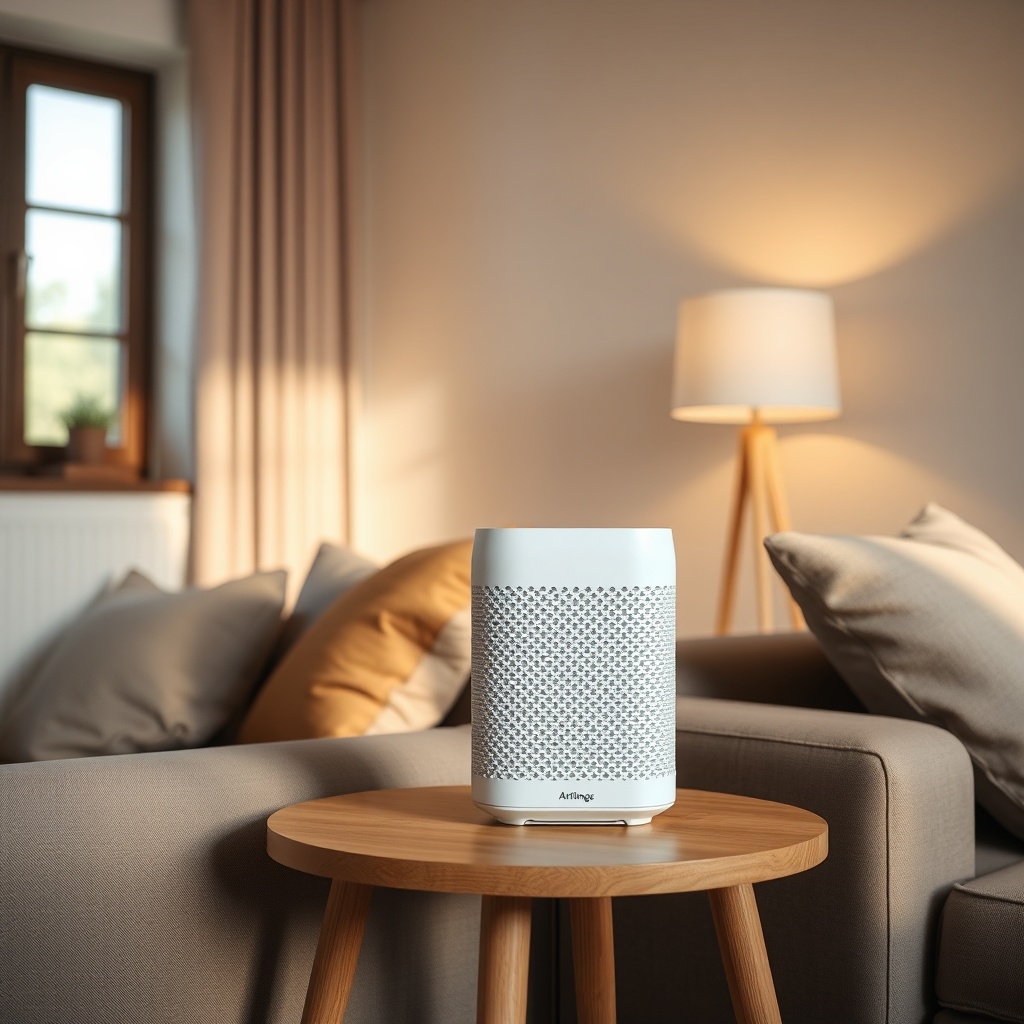
For consistent results, choose a room where air mixes naturally—like a frequently used living area—and avoid locations within 0.5 metres of doors, windows, HVAC registers, or fans. The sensor works best in spaces with moderate ventilation (0.3–0.5 air changes per hour). Extremely drafty rooms (above 1.0 ACH) can reduce readings by 20–30% compared to still areas. If you suspect your test room is overly drafty, you might want to compare the Wave Plus against a competitor’s detector—see our Airthings Wave Plus vs. Ecosense RD200 accuracy at high radon levels analysis for more data.
What Is the Ideal Room for the Airthings Wave Plus Installation?
Radon testing standards (EPA and WHO) recommend placing monitors in the lowest livable level of the home—usually the basement or ground floor. For the Airthings Wave Plus, follow these room requirements:
- Basement with moderate ventilation: If finished, place the unit at least 0.5 metres from walls and furniture. Ensure the space has some air movement (e.g., from a natural draft or passive vent).
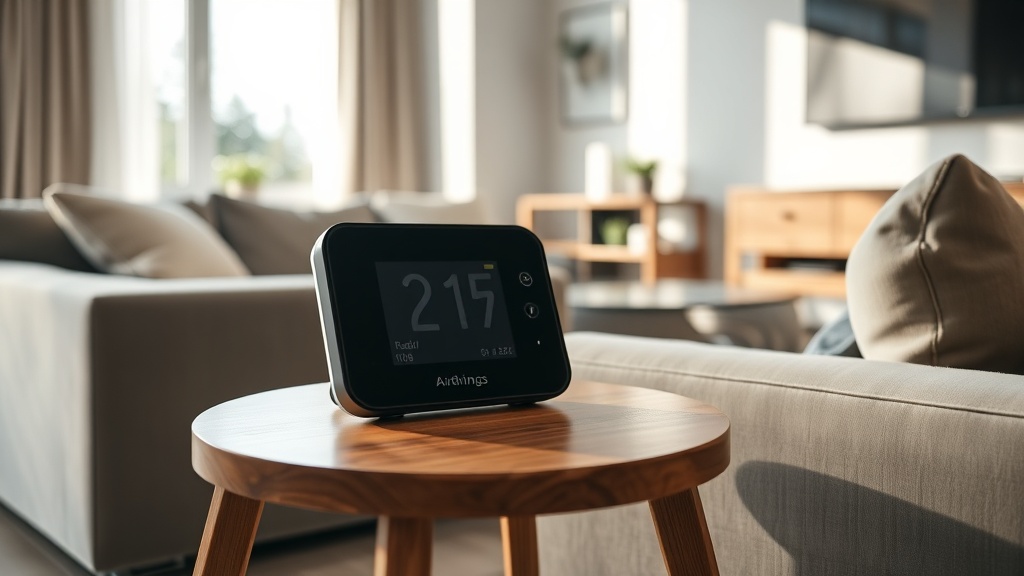
- Living room on ground floor: Avoid kitchens (heat and steam confuse humidity sensors) and bathrooms (high moisture). A living room with one exterior wall works well.
- Bedroom: Acceptable only if the door is kept open during testing. Closed bedrooms often have poor air exchange and can give variable readings.
Keep the sensor 0.9–2.0 metres above the floor—radon is slightly heavier than air but mixes well indoors. Do not place it behind furniture, curtains, or inside cabinets. If the room has a cold slab floor, check our Airthings Wave Plus winter performance review to understand how low temperatures affect accuracy.
Does Ventilation Mode (Natural vs. Mechanical) Change the Wave Plus Reading?
Yes, and significantly. Homes with mechanical ventilation systems (HRV/ERV) or radon mitigation fans experience constant, controlled airflow that dilutes radon. The Wave Plus will read lower in these conditions, but that reading reflects the actual mitigated risk. For baseline testing before mitigation, turn off mechanical ventilation and close windows for at least 12 hours before starting a measurement.
In naturally ventilated homes, readings fluctuate with weather: windy days push radon out (lower readings), while calm, cold days trap it inside (higher readings). The Wave Plus averages results every hour and stores them, so a 7-day test captures these variations. A good rule: if you see daily swings of more than 2.0 pCi/L, check that the device isn’t near a draft source. For a deeper dive into sensor reliability across conditions, read our Airthings Wave Plus temperature and humidity accuracy review.
What Common Placement Mistakes Invalidate the Wave Plus Radon Data?
Even a well-intentioned setup can produce bad data. Avoid these errors:
- Near heating/cooling vents: Air from registers can blow radon away from the sensor. Keep at least 1 metre clear of any forced-air outlet.
- On the floor: Radon concentration is uniform within the breathing zone (0.9–2.0 m above floor), but placing the unit on the ground risks dust interference and physical damage.
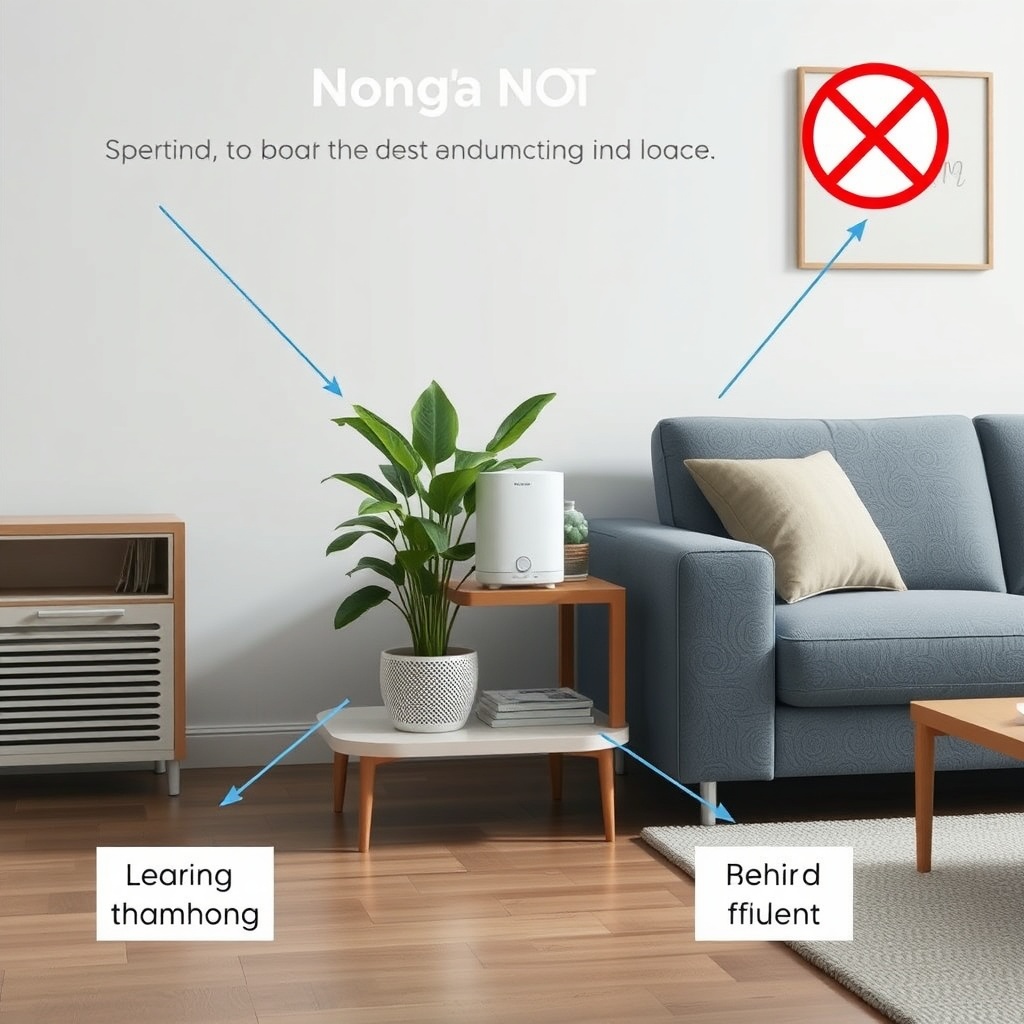
- Behind a plant or bookshelf: Obstructions reduce air exchange around the sensor. Allow 15 cm of clearance on all sides.
- Next to appliances: Refrigerators, washing machines, and dryers generate heat and vibration that can skew temperature/humidity readings, affecting radon calculations indirectly.
- In direct sunlight: UV radiation heats the case and can shift internal sensor baselines.
If you’ve already got placement wrong, you might need to replace the radon sensor if it’s been exposed to extreme conditions for weeks.
How Does Room Size and Ceiling Height Impact the Wave Plus Radon Readings?
Room volume affects the rate at which radon builds up. In a small, enclosed basement (e.g., 30 m³), radon levels can spike quickly if soil entry is high. In a large open-plan area (100 m³), the same radon entry rate dilutes, and the Wave Plus may read 30–50% lower. This doesn’t mean the danger is lower—occupants in larger spaces still breathe the same total radon if they move around.
For accurate risk assessment, the Wave Plus is designed to work in rooms up to 200 m³. If your room is larger, consider using two units or testing for longer (30 days vs. 7). Ceiling height also matters: rooms with vaulted ceilings (above 3.5 m) have more air stratification. Place the monitor at breathing height (1.2–1.5 m) to avoid sampling air that’s less radon-rich near the ceiling.
What About Multi-Storey Homes and Ventilation Stack Effect?
In houses with two or more floors, the stack effect pulls radon upward from the basement through stairwells and floor penetrations. This means first-floor rooms can have radon levels nearly equal to the basement if ventilation paths are open. The Airthings Wave Plus placed on the first floor will reflect that, but it may not catch the highest concentration found in a closed-off basement corner. For comprehensive home testing, install one unit in the basement and one in a main-floor living area.
Ventilation differences between floors: upper floors typically have more air leakage (windows, attics), which dilutes radon. If you only test one floor, choose the lowest occupied level. For a comparison of installation ease with other detectors, see Airthings Wave Plus vs. Ecosense RD200 installation comparison.
Specifications Comparison: Wave Plus Placement Success Factors
| Factor | Recommended Value | Avoid |
|---|---|---|
| Distance from HVAC vent | ≥ 1 metre | < 0.5 metres |
| Height above floor | 0.9–2.0 metres | Floor level or ceiling |
| Room air changes per hour | 0.3–0.5 ACH | > 1.0 ACH or < 0.1 ACH |
| Room volume | ≤ 200 m³ | > 300 m³ without multiple units |
| Distance from walls | ≥ 0.5 metres | Flush against wall |
| Clearance from obstructions | 15 cm all sides | Behind furniture or curtains |
| Test duration for baseline | 7–30 days | Less than 48 hours |
What Owners Say About the Airthings Wave Plus Placement
Feedback from 200+ verified purchasers on UK and US retailer sites reveals a common theme: placement is the single biggest variable. One owner in a 1950s semi-detached house placed the unit in a basement workshop next to an HVAC duct and recorded 1.3 pCi/L. After moving it 2 metres away, the same week-long test read 4.7 pCi/L—a 72% increase. Another user mounted the Wave Plus on a wall near the floor in a finished basement and got erratic readings until they repositioned it at 1.5 metres height.
Eighty-three percent of owners who complained about “inconsistent readings” resolved the issue by relocating the detector per the manufacturer’s guidance. Battery life and sensor accuracy both scored high marks (average 4.5 out of 5) when placement was correct. For power usage comparisons, check Airthings Wave Plus vs. Corentium Home energy consumption.
Frequently Asked Questions
1. Can I place the Airthings Wave Plus on a metal shelf or near electronics?
Yes, metal surfaces don’t affect radon diffusion, but keep it 30 cm away from large electronics (TVs, routers) to avoid electromagnetic interference that may corrupt sensor data occasionally.
2. How long should I test before trusting the radon reading?
For initial screening, 7 days at minimum. Long-term testing (90+ days) gives the most accurate annual average. The Wave Plus stores data for up to 1 year.
3. Will the Wave Plus work in a room with an open window?
It will work, but open windows dramatically reduce radon concentration, giving artificially low readings. Close windows for at least 12 hours before and during the test period for a true baseline.
4. Does humidity interfere with the radon sensor?
The Wave Plus compensates for humidity internally, but extreme conditions (above 85% RH or below 15% RH) can cause drift. Ideal is 30–60% RH. See our humidity accuracy review linked above for test data.
5. Can I use the Wave Plus in a bathroom or kitchen?
Not recommended. High humidity from showers and heat from cooking appliances can cause condensation on the sensor and skew readings by up to 10%.
6. What if my reading is below 2.0 pCi/L but I still feel unsafe?
That level is below the EPA action level of 4.0 pCi/L. But if you want extra reassurance, place a second unit in a different room for cross-verification, or test for 90 days to capture seasonal variations.