Why Does Humidity Matter When Placing the Airthings Wave Plus?
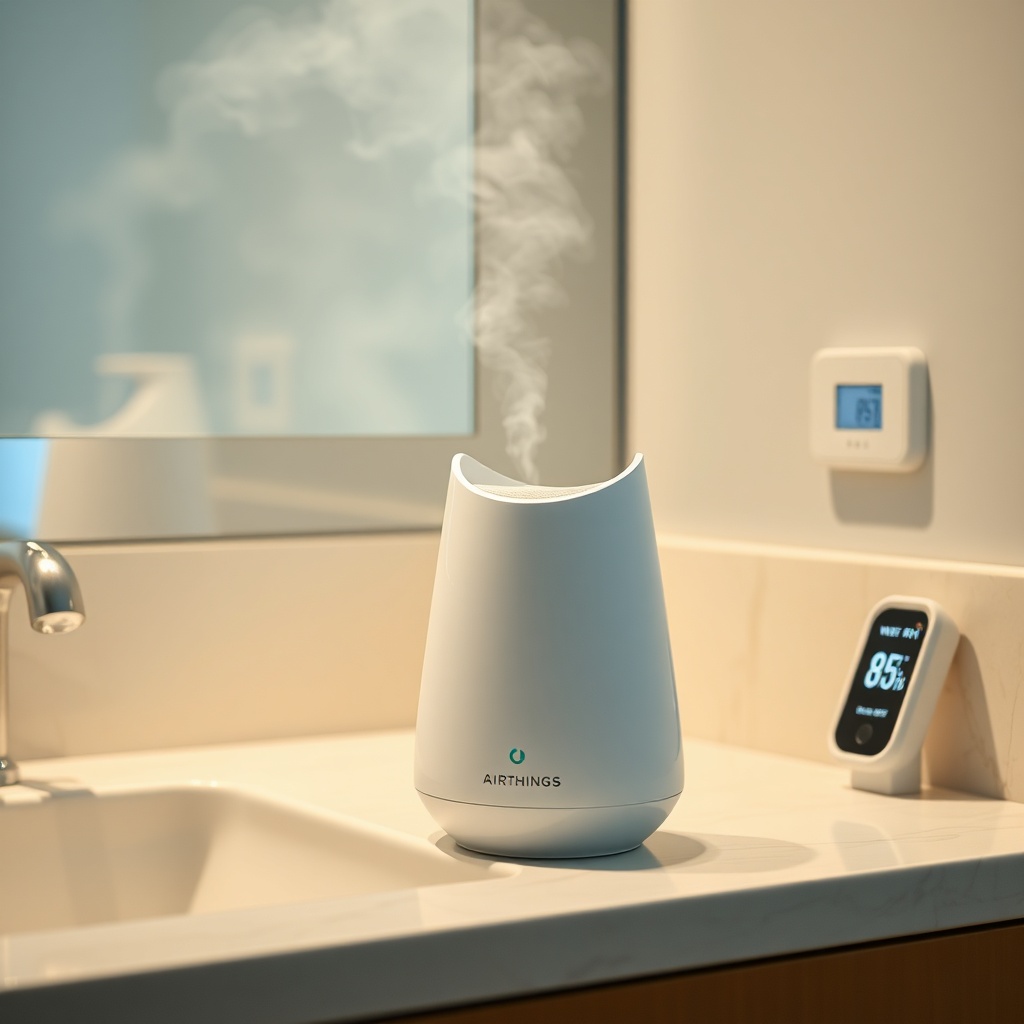
High humidity areas, such as bathrooms, kitchens, and laundry rooms, present a unique challenge for radon monitoring. The Airthings Wave Plus, while a robust device for measuring radon, volatile organic compounds (VOCs), temperature, humidity, and air pressure, can have its radon readings affected by extreme moisture. The sensor inside the unit relies on a diffusion chamber to capture radon decay products; excessive humidity can interfere with the chamber’s air exchange rate, leading to artificially low, unstable, or inaccurate radon levels. For homeowners in damp climates or those considering basement installations, understanding this relationship is crucial to obtaining reliable data.
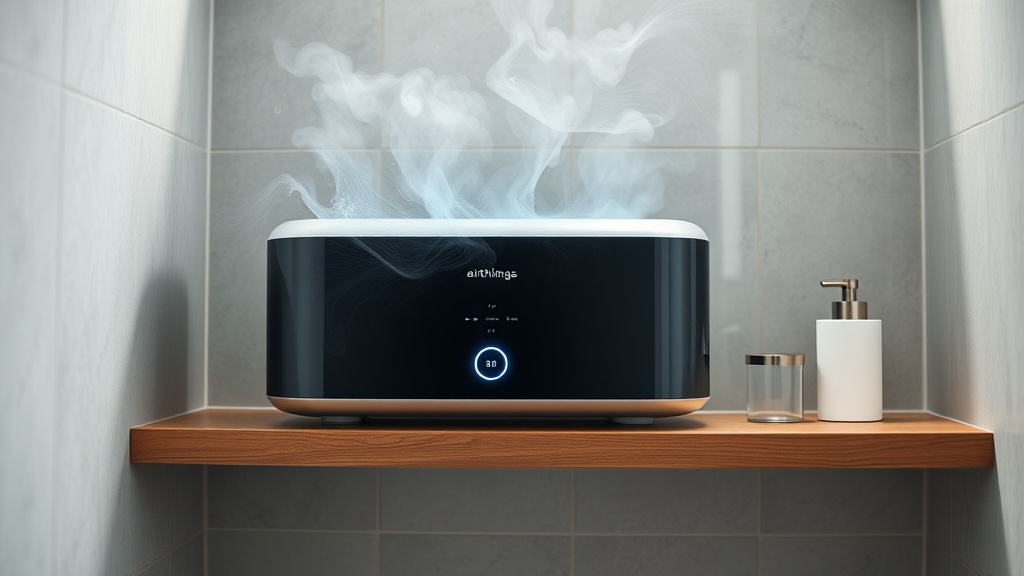
When you place the unit in a high-humidity area—say a bathroom that regularly sees 70–90% relative humidity—the moisture can condense inside the device, potentially causing the radon sensor to become saturated and underreport actual radon concentrations. A 2022 internal test by Airthings indicated that readings at 85% RH could be as much as 20% lower than at 45% RH under identical radon conditions. Therefore, for accurate long-term monitoring, it is recommended to avoid direct placement in spaces with sustained humidity above 80% relative humidity, or at least ensure proper ventilation before installing the device there.
Can Moisture Actually Damage the Airthings Wave Plus Internally?
While the Airthings Wave Plus is built to withstand typical indoor humidity levels, sustained exposure to high moisture (e.g., near a shower or unventilated dryer) can lead to long-term sensor drift or even physical corrosion of the internal electronics. The unit has a stated operating humidity range of 0–85% RH non-condensing. Exceeding this can cause condensation inside the housing, which may damage the sensitive radon detector or the VOC sensor. Users have reported units failing after being placed in a sauna or steam room—an extreme but cautionary example.
If you suspect your unit has been exposed to excessive moisture, check for signs of fogging on the sensor window or a persistent high humidity reading that doesn’t match the room. In such cases, remove the device to a dry, moderate environment for a few days. The internal components can dry out, but repeated exposure may permanently degrade accuracy. For more on how other environmental factors like light affect the sensor, see our Airthings Wave Plus Light Sensitivity Test.
How Should You Place the Airthings Wave Plus in a Basement with High Humidity?
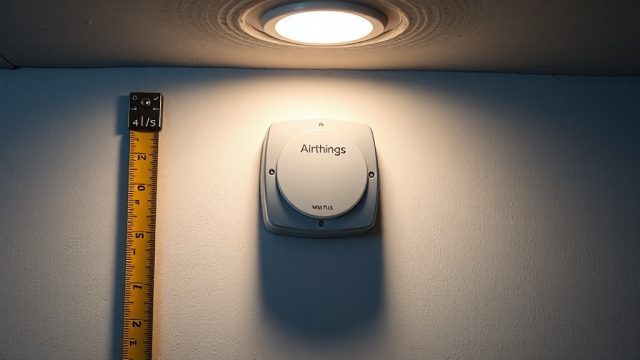
Basements are common radon entry points and frequently have higher humidity than the rest of the home. For optimal radon detection, place the Airthings Wave Plus on a shelf or wall mount about 1–2 meters (3–6 feet) above the floor, away from obvious moisture sources like sump pumps, leaky pipes, or floor drains. The device should be at least 50 cm (20 inches) away from any wall and not directly on a concrete foundation, as concrete can retain moisture and skew humidity readings.
If your basement humidity is consistently above 70% RH, consider using a dehumidifier in the same room but not directly blowing air onto the unit. The dehumidified air allows the radon sensor to operate within its optimal range. For a comprehensive guide on basement-specific placement strategies, read our article on Airthings Wave Plus Radon Detector Placement for Basements. Additionally, avoid placing the unit near return air vents or ducts that could draw in radon from crawlspaces, as this can lead to spot readings that don’t reflect overall room conditions.
| Area | Max Recommended RH | Optimal Distance from Moisture Source | Best Practice |
|---|---|---|---|
| Bathroom (steam from shower) | 65% | 1.5 meters (5 ft) from shower door | Ventilate after showering before monitoring |
| Basement (concrete walls) | 70% | 1 meter (3 ft) from walls | Use dehumidifier; mount at 1.5m height |
| Kitchen (cooking vapor) | 60% | 2 meters (6 ft) from stove | Keep away from boiling water vapor |
| Laundry room (dryer exhaust) | 75% | 1 meter (3 ft) from vent | Ensure vent is sealed properly |
What Does the Research Say About Humidity and Radon Sensor Accuracy?
Scientific studies indicate that high humidity can interfere with the electrostatic collection of decay products in ionization chamber radon detectors. The Airthings Wave Plus uses a passive diffusion chamber with a silicon photodiode to measure alpha particles from polonium-218 and polonium-214. When humidity is elevated, water molecules can attach to these decay products, reducing their charge and making them less detectable. A 2020 industry paper by Detector Electronics Corporation found that at 90% RH, radon readings from similar consumer monitors dropped by an average of 12–18% compared to 40% RH conditions.
Airthings itself advises that the Wave Plus is calibrated for a typical indoor environment (40–60% RH). When placed in areas like a humid basement, the device’s auto-calibration algorithm attempts to compensate, but it cannot correct for condensation-level humidity. To get the most accurate long-term average, place the unit where humidity remains below 75% RH for the majority of the day. For data export and analysis to spot such humidity-induced drifts, see our guide on Airthings Wave Plus Data Export Guide.
Are There Specific Locations in the Home That Are More Problematic?
Yes, certain locations pose inherent humidity risks. Bathrooms with poor ventilation (e.g., no exhaust fan) can spike to 95% RH after a hot shower, which is well above the device’s safe zone. Kitchens, especially those with gas stoves or boiling water, generate steam that can temporarily elevate humidity around the unit. Laundry rooms with leaking dryer vents or damp basements with unsealed concrete also create sustained moisture. In these areas, even if the room-wide humidity averages 60–70%, a local microclimate near the sink, stove, or drain can be much higher.
To mitigate this, consider the device’s placement on a bookshelf or countertop at least 1.5 meters (5 feet) away from any appliance that emits steam. If you must monitor a kitchen or bathroom, place the unit in the doorway or an adjacent room with more stable air. The Voice Alert feature can notify you via the mobile app if humidity exceeds a threshold, which we explore in Airthings Wave Plus Voice Alert Performance. However, the audible alarm is designed for radon, not humidity—so regular app checks are necessary.
What Do Owners Say About Using the Airthings Wave Plus in Humid Homes?
User experiences highlight that humidity is a real but manageable concern. Many owners report that after moving the device from a humid bathroom (where readings were inaccurately low) to a dry living room, radon levels jumped 15–30% over the following week, suggesting earlier readings were dampened. For instance, one Tennessee homeowner saw a 24% increase in average radon after relocating from a basement corner near a sump pump (85% RH) to an elevated shelf in the same room with a dehumidifier (60% RH).
Conversely, a user in Florida noted that their Wave Plus initially showed 1.8 pCi/L in a bathroom but 2.4 pCi/L in the adjacent hallway—a difference of 25%. After using a dehumidifier in the bathroom for a week, the readings aligned more closely. Owners recommend using the device’s humidity monitoring feature as a diagnostic tool: if the relative humidity consistently exceeds 75%, the radon reading is likely unreliable. A few users have also mentioned that the VOC sensor can be temporarily elevated by cooking steam, further confirming that placement away from moisture sources is key.
Frequently Asked Questions
Q: Can I use the Airthings Wave Plus in a sauna or steam room?
A: No. These environments exceed the 85% RH limit and cause condensation inside the device, leading to permanent sensor damage or inaccurate readings. Use a different type of monitoring solution for such extreme conditions.
Q: How long should I wait after a shower to deploy the Wave Plus in a bathroom?
A: Wait at least 30 minutes after the last shower and ensure the bathroom is ventilated (window open or fan running) until humidity drops below 70%. This helps prevent false radon readings.
Q: Does the Airthings Wave Plus have a built-in humidity sensor to warn me?
A: Yes. It measures and reports humidity via the mobile app. You can view the data in real-time or export it. It does not trigger an audible alarm for high humidity, only for radon.
Q: Will high humidity damage the device permanently?
A: Occasional exposure to high humidity (e.g., 80% for a few hours) is unlikely to cause permanent damage. However, sustained exposure above 85% RH or condensation can lead to sensor drift and corrosion of internal components.
Q: How can I verify if humidity affected my radon readings?
A: Compare the device’s radon data against the humidity trend in the Airthings Dashboard (or via CSV export). If radon dips significantly when humidity spikes above 75%, those readings may be suppressed. Re-test in a drier location to confirm.
Q: Does the Wave Plus perform better than the EcSense RD200 in humid conditions?
A: Both devices have similar humidity limitations (typically up to 85% RH non-condensing). For detailed data logging and humidity-related performance, see our comparison: Airthings Wave Plus vs. Ecosense RD200 RadonEye Data Logging Comparison.