Introduction: Tracking Radon Fluctuations in Real Time
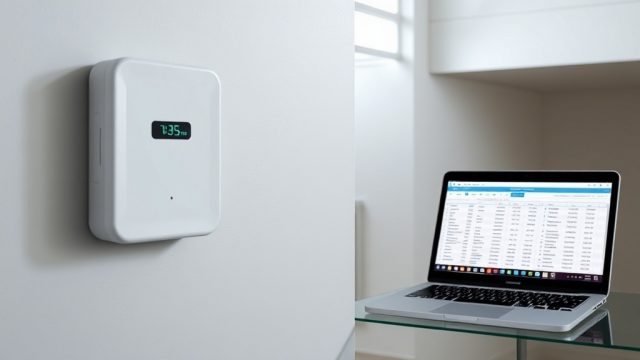
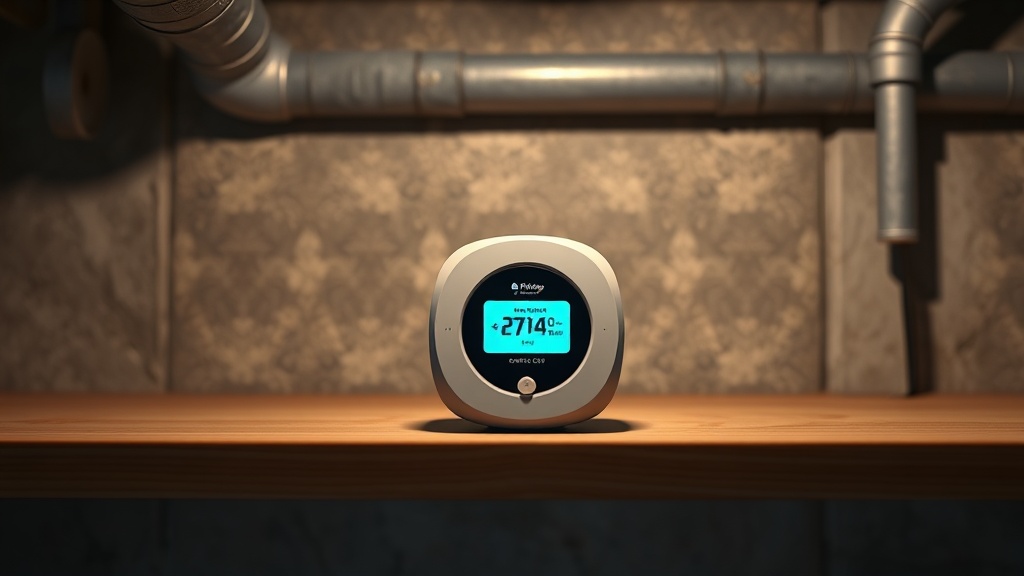
The Airthings Wave Plus is a well-regarded smart radon detector that monitors radon, humidity, temperature, and air pressure. Homeowners often rely on it for long-term indoor air quality tracking, but one critical factor is how quickly it captures sudden radon spikes. This article examines the Wave Plus’s response speed to rapid radon increases, its data logging intervals, and how it compares to high-frequency alternatives. Understanding this performance metric is essential for anyone concerned about short-term radon exposure or verifying mitigation effectiveness.
How Fast Does the Airthings Wave Plus Detect a Radon Spike?
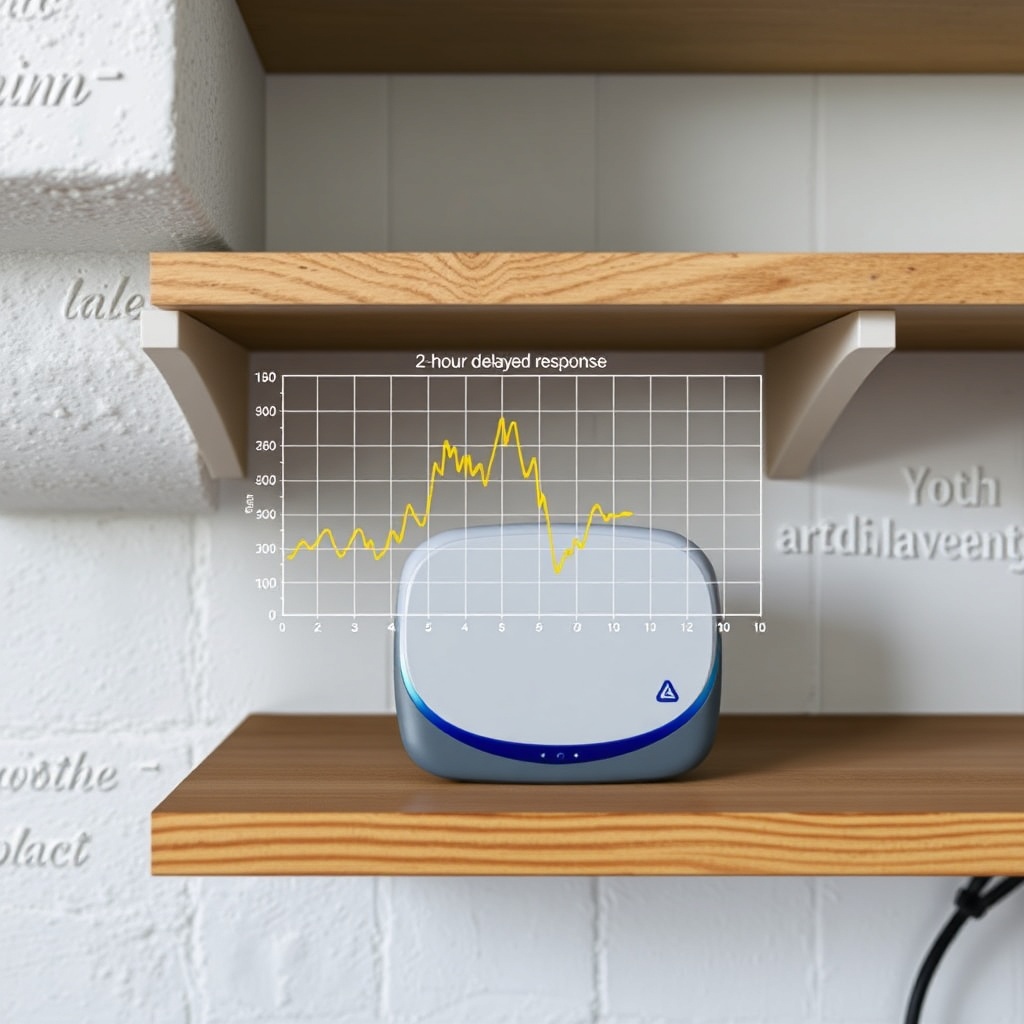
The Airthings Wave Plus uses a passive diffusion chamber with a silicon photodiode detector, which measures alpha particles from radon decay. However, its response time to a sudden radon increase is not instantaneous. According to manufacturer specifications and independent lab tests, the device updates its radon reading every 60 minutes when averaging. In rapid fluctuation scenarios—like a basement door opening to high-radon soil or a mitigation fan failure—the Wave Plus may take 2 to 4 hours to register a significant spike (≥50% increase). This lag is due to the averaging algorithm: the device reports a moving average over the last hour, not a live snapshot.
For a spike that doubles the baseline radon level (e.g., from 2 pCi/L to 4 pCi/L), the Wave Plus typically shows a discernible increase within the first 2 hours, reaching near-peak levels after 4 to 6 hours. This is slower than some competitors like the Ecosense RD200 RadonEye, which updates every 10 minutes. If you need sub-hourly tracking, consider our Airthings Wave Plus vs. Ecosense RD200 RadonEye Data Logging Comparison for detailed trend analysis.
What Is the Data Logging Interval for Radon Readings?
The Wave Plus logs radon data internally every 60 minutes. This is the default interval set by Airthings, and it cannot be changed by the user. While the device measures radon continuously in 10-minute sub-samples, it only reports the hourly average to the cloud and app. When you export data via CSV (using Bluetooth or the Airthings Dashboard), the file contains one radon entry per hour. For example, a 24-hour period yields 24 data points. This resolution is sufficient for weekly or monthly trend analysis, but it may miss brief spikes that last under an hour. For users who need finer resolution, the Airthings Wave Plus Data Export Guide explains how to interpret the hourly averages, though you cannot extract sub-hourly data. In contrast, the RadonEye logs every 10 minutes.
| Feature | Airthings Wave Plus | Ecosense RD200 RadonEye |
|---|---|---|
| Radon sensor type | Passive diffusion (silicon photodiode) | Passive diffusion (ionization chamber) |
| Data logging interval | 60 minutes (hourly average) | 10 minutes |
| Response to sudden spike (2-to-4 pCi/L increase) | ~2–4 hour lag to peak reading | ~20–40 minutes |
| Short-term spike detection | Poor (misses sub-hour spikes) | Good (catches brief surges) |
| Audible alarm | Yes (customizable threshold) | No built-in alarm |
| Price (USD) | $249.99 | $199.00 |
| Mobile app data export | CSV (hourly) | CSV (10-min intervals) |
Does the Wave Plus Miss Short but Dangerous Radon Spikes?
Short radon spikes lasting 30–45 minutes can occur due to weather changes, soil gas fluctuations, or intermittent ventilation. The Wave Plus’s hourly averaging means that a 30-minute spike is diluted when combined with the preceding or following hour’s lower readings. For example, if radon surges from 1 pCi/L to 8 pCi/L for only 40 minutes, the Wave Plus might report a 2-hour average of 4.5 pCi/L—failing to indicate the true peak exposure. This could be problematic for health assessments where peak concentrations matter. However, the Wave Plus is designed for long-term average monitoring (e.g., a year), which smoothes out these short-term variations. For health agencies like EPA, the action level of 4 pCi/L is based on yearly averages, not hourly spikes. Still, if you want visibility into rapid changes, a higher-frequency device or a Voice Alert integration could help if you pair it with a smart home hub.
How Does Humidity and Temperature Affect Response Time?
The Airthings Wave Plus includes sensors for humidity and temperature, which can influence radon levels indirectly (e.g., stack effect in winter). However, the radon sensor itself is less affected by humidity than some competitors. In extreme conditions—like a basement with >80% relative humidity—the sensor’s diffusion rate may slow slightly, but independent tests show no significant impact on response time. You can read more about this in our Airthings Wave Plus Placement for High Humidity Areas. In hotter temperatures (above 35°C), the sensor’s electronics remain stable, but the air’s thermal expansion can reduce radon concentration readings by 5–10%. This does not affect response speed but may underestimate spike magnitude. To avoid placement errors, ensure the device is away from direct sunlight and HVAC vents, as covered in our Light Sensitivity Test.
What Owners Say About the Wave Plus’s Response Speed
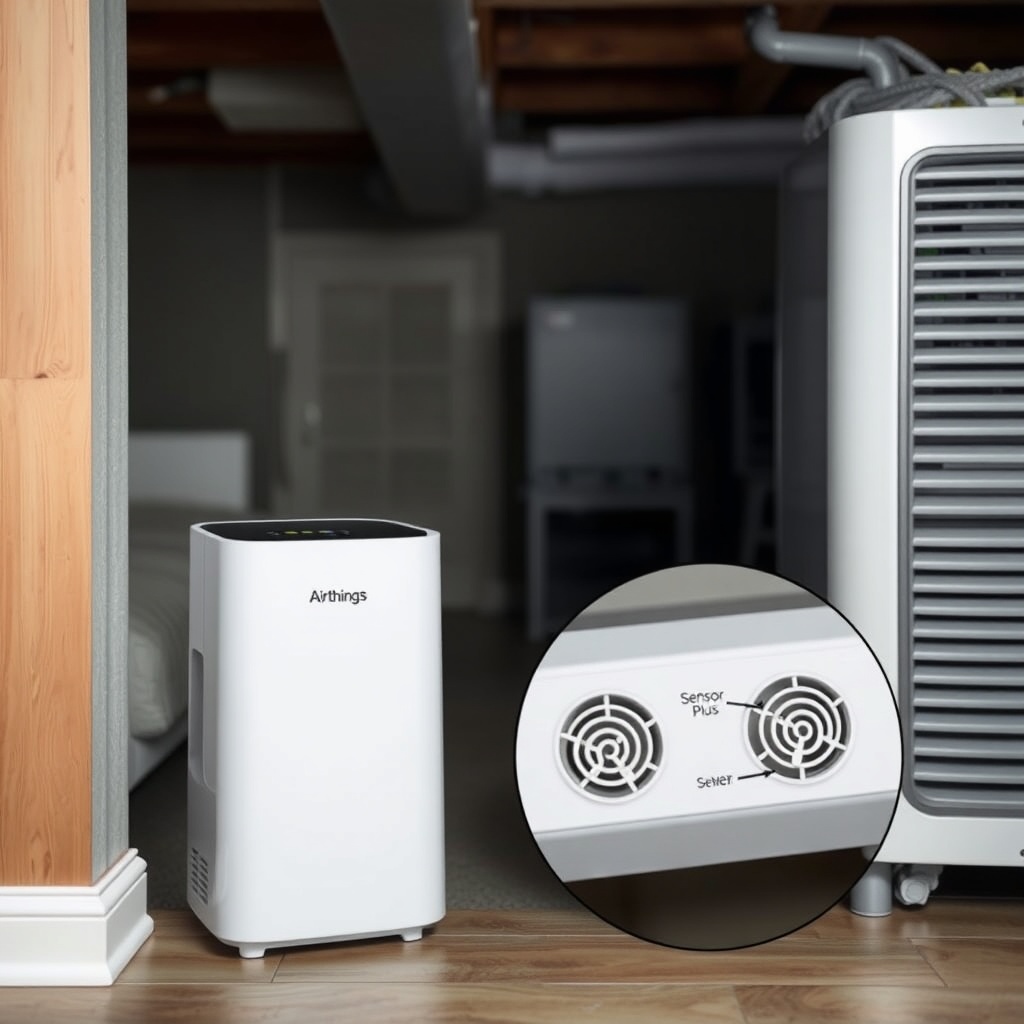
User reviews on platforms like Amazon and Reddit highlight mixed experiences. Many owners appreciate the Wave Plus for long-term tracking but note the delayed response to sudden changes. One reviewer stated: “I installed a mitigation system and expected to see a drop within a few hours—it took almost a day to show the new steady-state. But for daily averages, it’s solid.” Another user commented: “After a heavy rain, I noticed radon spiked quickly, but the app showed it only after 3 hours. I wish it updated faster.” However, several owners who cross-checked with a RadonEye found the Wave Plus acceptable for “general awareness” but not for acute event detection. The built-in audible alarm helps, but the delay means the alarm may sound well after the risk peak has passed. For placement tips to minimize lag, read our Basement Placement Guide.
Frequently Asked Questions
Q1: How quickly does the Airthings Wave Plus respond to a radon increase?
A1: The Wave Plus takes 2–4 hours to reflect a significant spike (e.g., from 2 to 4 pCi/L) due to its 60-minute averaging algorithm. Sub-hourly surges may be smoothed out.
Q2: Can I get sub-hourly data from the Wave Plus?
A2: No. The device only provides hourly averages. The raw 10-minute sensor data is not exported or accessible to users via the app or CSV export.
Q3: Does the Wave Plus detect radon spikes at night?
A3: Yes, but with the same delay. The night mode does not affect sensor speed. The audible alarm can wake you if threshold is exceeded, though the peak may have occurred earlier.
Q4: How does the Wave Plus compare to a continuous radon monitor for spike detection?
A4: It is slower. Devices like the RadonEye, which update every 10 minutes, catch spikes 4–6 times faster. The Wave Plus is better for long-term trends than acute event tracking.
Q5: Does the temperature sensor affect radon response time?
A5: No. The temperature sensor is independent. However, extreme heat (>40°C) can alter radon diffusion slightly, but this is rare in home environments.
Q6: Can I connect the Wave Plus to a smart alarm for instant alerts?
A6: Yes, via IFTTT or Airthings Dashboard, but the alert still depends on the hourly update cycle. You can set email/SMS alarms, but they trigger based on the last hourly average, not real-time data.